
For charterers involved in bareboat charters in Canada, Ship Safety Bulletin No. 20/2025 brings renewed attention to navigation bridge visibility, shifting practical and legal responsibilities in ways that directly affect day-to-day operations.
From how deck equipment is carried to how risk assessments are recorded, this bulletin reaches beyond commercial shipping and into the realities of large pleasure boats, yachts, and chartered craft.
Risk-Based Oversight and the Purpose of the Bulletin
Transport Canada issued Ship Safety Bulletin No. 20/2025 to address situations where forward visibility from the navigation bridge is obstructed. While the language focuses on cargo, the intent is broader.
The bulletin emphasizes:
- Risk assessments when visibility is reduced or blocked
- Mitigation measures that must be applied when standards are not met
- The role of the Authorized Representative in ensuring compliance
- Potential enforcement actions, including detention, if deficiencies are found
For bareboat charters in Canada, the relevance lies in who holds responsibility once the charter begins and how operational decisions are made on board the boat.
How Bareboat Charter Structures Change Legal Responsibility
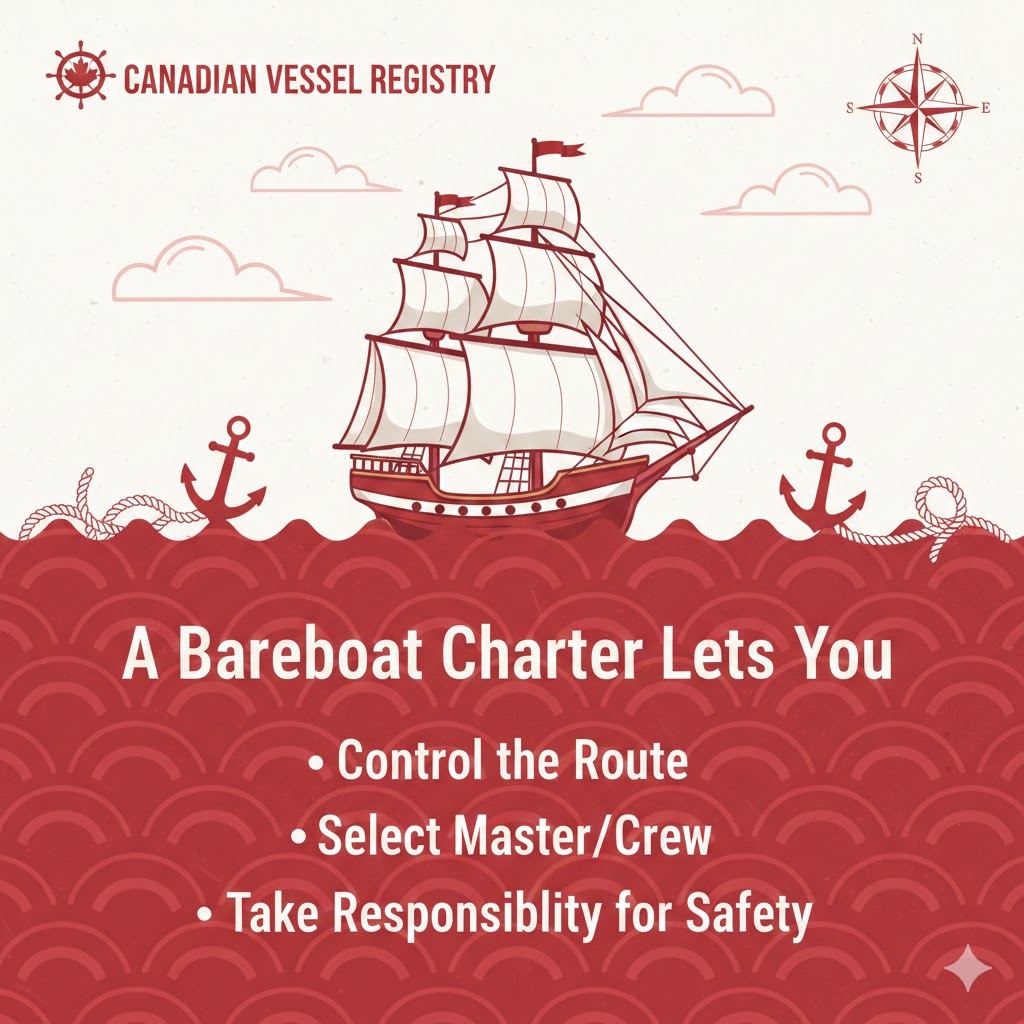
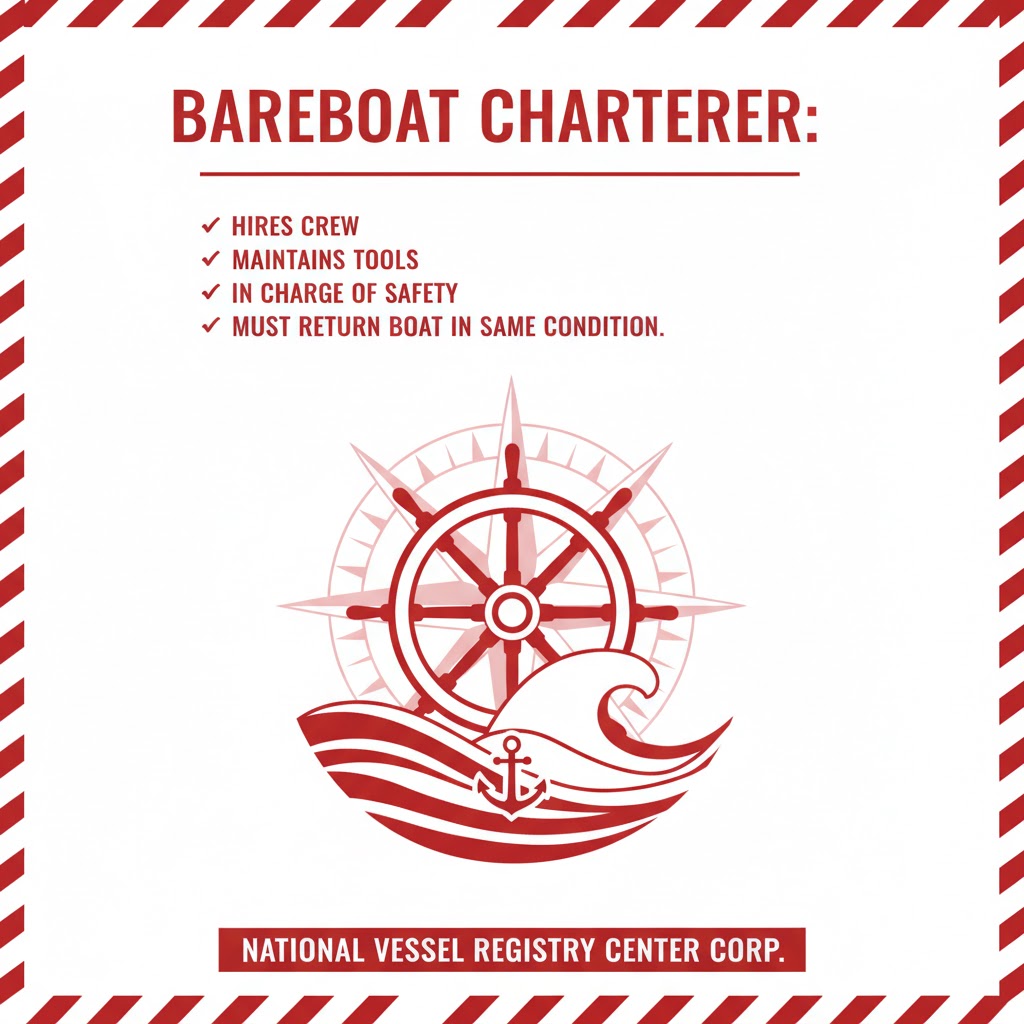
In a bareboat charter, operational control transfers from the owner to the charterer. This is not a symbolic shift. Under Canadian maritime laws, the charterer becomes the Authorized Representative for the duration of the charter. That change carries specific consequences:
- The charterer assumes responsibility for regulatory compliance
- Safety management duties shift away from the owner
- Inspections and enforcement actions focus on the charterer
- Required assessments must be completed under the charterer’s authority
Ship Safety Bulletin No. 20/2025 reinforces this framework by making it clear that the party in operational control must assess and mitigate visibility risks. For bareboat charters in Canada, that means the charterer, not the registered owner, bears the obligation.
Bridge Visibility Standards and the 22.5° Requirement
Canadian navigation rules require a clear field of vision from the bridge. The standard referenced in the bulletin includes an unobstructed view of at least 22.5 degrees forward of the beam. Visibility issues can arise from:
- Equipment stowed on the foredeck
- Tenders secured forward of the superstructure
- Jet skis or water toys carried during extended charters
- Temporary structural additions
- Charter-specific modifications for events or transport
Even when these items are common on pleasure boats, they can still trigger compliance concerns. For bareboat charters, these decisions are typically made by the charterer, which places the risk assessment squarely on their shoulders.
The “Cargo” Catch for Charterers
Although the bulletin uses the term “cargo,” Transport Canada’s interpretation is functional rather than commercial. Any object that blocks forward visibility may fall within scope.
For charterers, this means:
- Large tenders may qualify as obstructing cargo
- Recreational equipment can affect compliance
- Temporary installations still require assessment
- Seasonal changes to deck layout are relevant
This is particularly important for bareboat charters in Canada involving large pleasure boats that were designed with flexibility in mind. What is acceptable in one configuration may not be compliant in another.
Mitigation Measures Highlighted in the Bulletin
When visibility cannot meet regulatory standards, the bulletin outlines possible mitigation strategies. These are not optional suggestions but recognized measures that inspectors may expect to see.
Examples include:
- Real-time video camera systems providing forward visibility on the bridge
- Additional dedicated lookouts positioned to compensate for blind spots
- Clear communication lines between lookouts and the bridge
- Operational restrictions in reduced visibility conditions
- Documented procedures addressing specific obstructions
For bareboat charters, selecting and implementing these measures becomes part of the charterer’s operational responsibility.
Documentation as Practical Protection
One of the most significant takeaways from Ship Safety Bulletin No. 20/2025 is the emphasis on documented risk assessments. During inspections or Port State Control reviews, the presence or absence of records can influence outcomes.
Effective documentation can show:
- Awareness of visibility limitations
- Completion of a formal assessment
- Adoption of reasonable mitigation steps
- Alignment with Canadian maritime laws
Before entering bareboat charters, charterers should confirm that the boat’s registry status is current and that visibility assessments are completed where applicable.
Small Boat Registration and Larger Charter Boats
While Ship Safety Bulletin No. 20/2025 often affects larger boats, smaller craft are not excluded from regulatory oversight. Small boat registration requirements differ depending on size, propulsion, and use.
The most pertinent distinctions include:
- Small boat registration applies to certain commercial boats
- A pleasure craft licence is appropriate for non-registered pleasure boats
- Registration and licencing serve different legal functions
We help users access the correct forms for both registration and licencing without conflating the two systems.
Checking Records Before Charter Agreements
Ship Safety Bulletin No. 20/2025 underscores the value of due diligence before signing a charter agreement. Visibility issues can lead to operational delays or inspections that disrupt plans.
Charterers often benefit from:
- Reviewing registry status in advance
- Confirming Authorized Representative information
- Ensuring past compliance history is clear
- Using tools to check boat history
Having accurate records in place can reduce surprises during inspections, especially for bareboat charters operating in busy ports.
Port State Control and Enforcement Reality
Transport Canada inspectors and Port State Control officers are empowered to verify compliance with navigation safety requirements. The bulletin provides inspectors with clearer guidance on what to look for.
Possible enforcement actions include:
- Requests for visibility assessments
- Verification of mitigation measures
- Operational restrictions until issues are addressed
- Detention in serious cases
For bareboat charters in Canada, enforcement actions focus on the charterer as the Authorized Representative, reinforcing the need for proactive compliance.
How Our Portal Supports Charterers
As an online portal, our role is to make regulatory compliance more accessible without overcomplicating the process. We do not collect documents on your behalf or secure approvals, but we do provide direct access to the official forms required by Transport Canada.
Our service supports:
- Canadian boat registration form access
- Pleasure craft licence applications and updates
- Registry-related filings connected to charter use
- Centralized access to Transport Canada forms
This streamlined access helps charterers respond efficiently when regulatory updates like Ship Safety Bulletin No. 20/2025 come into effect.
Operational Awareness for Ongoing Charters
Compliance is not a one-time task. For bareboat charters in Canada that extend over weeks or months, operational conditions can change. Charterers should remain alert to:
- Changes in deck configuration
- Additional equipment brought on board
- Seasonal operational differences
- Route-specific inspection practices
Reassessing visibility risks during the charter period aligns with the expectations outlined in the bulletin.
Preparing Before Your Next Charter
The bulletin serves as a reminder that operational freedom under a bareboat charter comes with regulatory accountability. Visibility, documentation, and registry accuracy are no longer background considerations.
By ensuring that registration records are current, licencing is appropriate, and visibility risks are assessed, charterers can approach bareboat charters in Canada with greater confidence and fewer interruptions.
Our portal exists to simplify access to the official tools required for that compliance, helping you stay aligned with Transport Canada expectations as regulations continue to evolve.
FAQ
Frequently Asked Questions About New Ship Safety Bulletin May Affect Your Bareboat Charters in Canada
How does this article help with new ship safety bulletin may affect your bareboat charters in canada?
This article adds context around new ship safety bulletin may affect your bareboat charters in canada, while the linked service and archive pages below help you move from research to action so you can move to the correct next step.
What information should I gather before taking the next step?
It helps to have the relevant vessel details, ownership information, and any current registry or licence numbers ready before you compare forms, filing paths, or related updates.
Where should I continue reading on this topic?
Use the related pages and resources below to review the main service page, the matching archive, and closely related internal topics.