
As an online portal that simplifies Transport Canada processes, we follow closely that which directly impacts Canadian boaters. The annual seasonal closure of certain Canadian Coast Guard Search and Rescue stations in Ontario has been released. This has direct implications for safety planning, compliance, and how your Transport Canada registry records fit into the bigger picture of lawful boat operation.
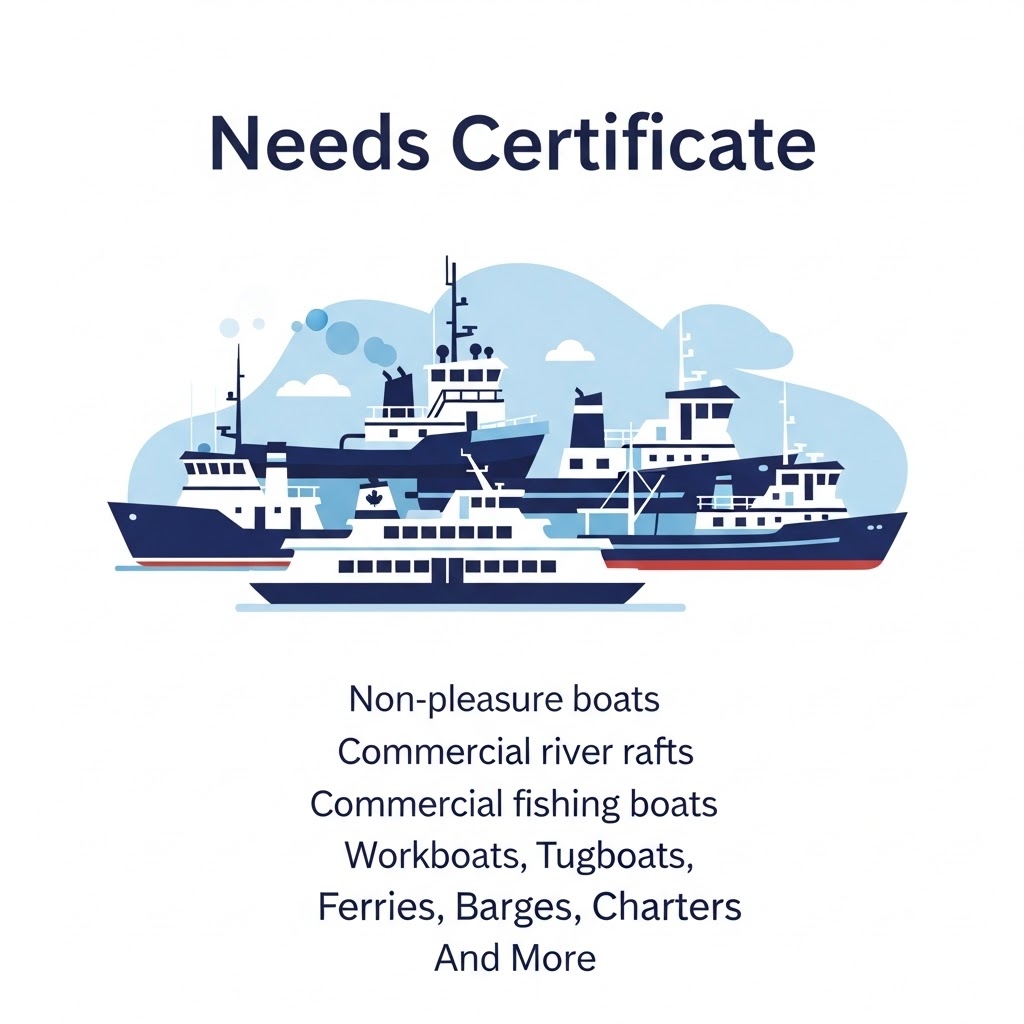
Seasonal changes affect more than weather conditions on Canadian waterways. They also shape how emergency services operate, when help is available, and what responsibilities fall more heavily on boat owners during certain months.
Search and Rescue Closure Dates to Know
According to a recent report published by Today’s Northumberland, several seasonal Search and Rescue stations operated by the Canadian Coast Guard in Ontario close each year as part of a planned operational cycle.
Each year, the Canadian Coast Guard evaluates waterway usage, weather patterns, and resource deployment. As part of that process, some Search & Rescue stations operate seasonally rather than year-round. When these stations close, emergency response coverage does not disappear entirely, but it does change.
Key points boaters should be aware of include:
- Seasonal stations typically close in late fall as boating traffic decreases
- Remaining response coverage is handled by year-round Coast Guard assets and partner agencies
- Response times may be longer in certain regions during the off-season
- Boaters are expected to exercise greater caution during shoulder seasons
These closures are not unexpected or abrupt. They are planned well in advance and communicated publicly. However, many boat owners only become aware of them after the boating season has already slowed, which can lead to assumptions about safety coverage that are no longer accurate.

How Reduced Coverage Affects Canadian Boaters
When fewer Search & Rescue stations are actively staffed, the margin for error narrows. This makes compliance, preparedness, and accurate registration details more relevant than ever.
For boaters navigating Ontario waters during late fall or early spring:
- Accurate identification of your boat becomes critical during emergencies
- Registration or licencing information must be current and traceable
- Delays in rescue response increase the need for self-sufficiency
- Authorities rely more heavily on registry data when incidents occur
This is where the Transport Canada registry plays a role beyond paperwork. Registry records help authorities quickly identify ownership, boat characteristics, and points of contact during emergencies. When stations close seasonally, centralized data becomes even more valuable.
Registration, Licencing, and Emergency Identification
Search & Rescue personnel use multiple tools to respond effectively. One of the most important is reliable identification information tied to your boat.
Depending on how your boat is used and where it operates, this may involve:
- A pleasure craft licence for certain recreational boats
- Inclusion in the small boat register for boats that meet registration criteria
- Updated ownership information following a boat ownership transfer
- Special filings for registration of a government boat
It is important to note that a pleasure craft licence and registration through the Small Vessel Register are not the same thing. Canadian maritime laws outline when each applies, and they serve different legal and administrative purposes.
Our role is not to decide which path applies to you, but to make it easier to access and use the appropriate Transport Canada forms once you know what you need.

Why Seasonal Closures Highlight Registry Accuracy
During peak boating season, Search & Rescue resources are more widely distributed. When seasonal stations close, authorities rely more heavily on centralized systems.
This makes accuracy especially relevant in areas such as:
- Owner name and contact details
- Boat description and dimensions
- Propulsion type and operational area
- Current status within the Transport Canada registry
If an incident occurs during a period of reduced coverage, having correct information on file can make a meaningful difference in how quickly help is coordinated.
Common Scenarios During Off-Season Boating
While many Canadians store their boats for the winter, others continue operating during cooler months. These situations frequently intersect with registry and licencing matters.
Examples include:
- Completing a boat ownership transfer after the main boating season
- Operating in colder months while awaiting updated registry records
- Using a newly acquired boat before seasonal stations reopen
- Managing changes following registration of a government boat
In each case, Search & Rescue closures increase the need for clarity and compliance. Authorities must be able to rely on existing records rather than seasonal familiarity with local traffic.
How Our Online Portal Fits In
Our service exists to simplify how you interact with Transport Canada processes, regardless of the time of year. We provide access to official forms related to registration and licencing so you can move forward without unnecessary delays.
Through our online portal, we help you:
- Access forms tied to the Transport Canada registry
- Navigate pleasure craft licence applications and updates
- Use your existing documents efficiently
- Submit information through a streamlined online experience
Seasonal Awareness and Legal Alignment
Search & Rescue closures underscore how regulatory compliance and safety overlap. Canadian maritime laws do not pause during the off-season, and neither do registry obligations.
Boaters should remain aware that:
- Licencing requirements continue year-round
- Registration records must remain accurate regardless of season
- Enforcement standards do not change due to station closures
- Registry data supports both safety and legal accountability
Maintaining alignment with the Transport Canada registry is part of responsible boat operation, particularly when fewer resources are immediately available on the water.
Ontario Waters and Regional Considerations
Ontario’s waterways vary widely, from the Great Lakes to inland rivers and smaller lakes. Seasonal Search & Rescue closures can affect these regions differently.
Factors that matter include:
- Distance to year-round Coast Guard stations
- Volume of off-season boating traffic
- Water temperature and weather volatility
- Local emergency response partnerships
Accurate registry or licencing information allows responders to act faster, even when resources are spread over a larger geographic area.
small vessel registry
How We Support Long-Term Compliance
Boating responsibilities do not end when summer does. Our service is designed to support year-round needs by making Transport Canada forms consistently available.
We assist boaters by:
- Offering access to current registration forms
- Supporting updates related to ownership changes
- Providing a centralized online experience
- Reducing confusion during less active boating months
This consistency matters when seasonal closures shift more responsibility onto boat owners to ensure their information is correct and current.
Planning Ahead for Seasonal Transitions
Search & Rescue closures happen on a predictable schedule. Planning around them can help reduce risk and administrative stress.
Smart planning includes:
- Reviewing registry or licencing status before late fall
- Completing a boat ownership transfer promptly after a sale
- Confirming registry details ahead of off-season use
- Ensuring your records align with the Transport Canada registry before peak season returns
Our online portal supports this forward-looking approach by keeping essential forms accessible whenever you need them.
Staying Informed as a Canadian Boater
Seasonal Coast Guard operations, registry obligations, and licencing requirements all intersect. Staying informed helps you make decisions that support safety, compliance, and peace of mind.
By following updates like the Ontario Search & Rescue station closures and maintaining accurate records through Transport Canada channels, boaters place themselves in a stronger position year-round. Our role is to make that interaction with the Transport Canada registry simpler, clearer, and more accessible whenever you need it.