
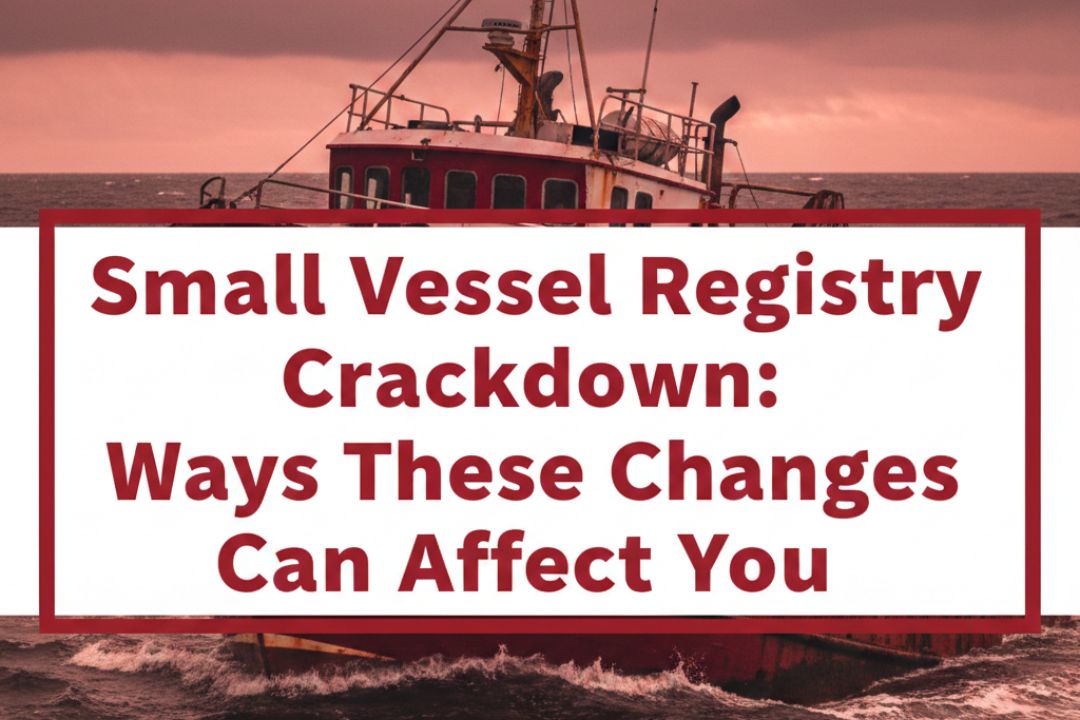
Canada’s boating landscape is shifting in 2026. If you operate a rental, charter, or shared-use boat, these updates are not minor adjustments. They directly affect how you register and classify your watercraft. For many operators, compliance now means moving into the Small Vessel Registry and away from a pleasure-only framework.
At National Vessel Registry Center Corp., we provide online access to the official forms required to register commercial boats, apply for pleasure craft licencing, and address related filings under Canadian maritime laws.
The 2026 Redefinition: Pleasure vs. Non-Pleasure
Historically, boat owners often relied on a simple interpretation: if you were personally operating your boat for recreation, it qualified as a pleasure craft. That flexible approach has narrowed.
Under SOR/2025-272, available through the Canada Gazette, a boat used for any financial gain is classified as non-pleasure. This applies even if revenue is indirect or occasional.
Examples that now trigger commercial classification include:
- Renting your boat for hourly or daily use
- Listing your boat on peer-to-peer rental platforms
- Operating informal charters
- Accepting compensation beyond basic cost-sharing
- Using mobile apps that facilitate paid access
Even if you still enjoy your boat recreationally, once compensation enters the picture, the legal category changes. The revised rules are not concerned with how often you earn money. One paid use can shift your status.
The Enforcement Authority
Section 108 gives the Minister authority to cancel a pleasure craft licence if a boat is used for commercial purposes. This is not a symbolic measure.
Implications include:
- Immediate cancellation of your licence
- Ineligibility to continue operating commercially
- Administrative Monetary Penalties (AMPs)
- Potential additional compliance actions
Unlike minor infractions that result in warnings or fines, this enforcement path can remove your ability to legally operate until you comply with the appropriate registry requirements.
Why a Pleasure Craft Licence Is Not Enough for Side Income
Many owners have experimented with short-term rentals or casual charters in recent years. Digital platforms have made monetization easy. However, enforcement mechanisms are evolving just as quickly.
Transport Canada is now linking pleasure craft licence data with commercial rental platforms and related reporting systems. The new enforcement environment includes:
- Data cross-referencing between licencing records and rental listings
- Monitoring of digital platforms
- Expanded inspection authority
- AMP issuance without lengthy investigative delays
If your boat appears on a commercial platform while holding only a pleasure classification, you risk formal penalties.
The Insurance Exposure
Beyond regulatory enforcement, there is a separate risk that many owners overlook: coverage denial.
Most marine insurance policies distinguish between pleasure use and commercial operation. If your boat is insured under a pleasure-only policy and an accident occurs during a paid rental:
- Your claim may be denied
- Liability protection may not apply
- Property damage may not be covered
- Legal defense costs could fall entirely on you
One incident with a renter at the helm can result in a total financial loss if classification and insurance do not match.
Moving Into the Small Vessel Registry
If your boat is under 15 gross tons and used commercially, it typically falls within the scope of the Small Vessel Registry.
This registry differs from pleasure craft licencing in several key respects:
- It is designed for commercial boats
- Ownership details are formally recorded
- The boat receives a registered official number
The “Fair Share” Mandate: 2026 Fee Changes
As of December 31, 2025, a new $24 service fee applies to pleasure craft licences. Transport Canada has stated that this adjustment reflects a policy of cost recovery and equitable distribution of administrative expenses.
The fee structure supports two broader policy objectives:
- Ensuring recreational boaters contribute to system maintenance
- Ensuring commercial operators bear higher regulatory and environmental costs
By requiring revenue-generating boats to move into commercial classification, authorities are reinforcing this “fair share” principle.
For commercial operators, remaining under a pleasure category is no longer a cost-saving shortcut. It creates compliance exposure and enforcement risk.
Where Bareboat Charters Fit
Bareboat charters occupy a unique space in Canadian boating. In this arrangement, operational control of the boat transfers to the charterer for a specified period.
Because the charterer assumes control:
- The activity is commercial
- Regulatory obligations apply
- Insurance requirements differ
- Compliance must reflect the charter structure
If you operate bareboat charters without commercial registration, you risk misclassification.
Our online system allows you to access the forms necessary for proper registration when your boat transitions into this operational model.
Checking Ownership and Status Before You Buy
If you are purchasing a previously used boat intended for rental or charter, due diligence is essential.
You should:
- Check boat history through official records
- Confirm whether it is currently registered or licenced
- Verify outstanding compliance issues
- Review prior classification
A boat that was once recreational may have engaged in commercial activity without formal reclassification. That history can affect your next steps.
The Small Vessel Registry provides formal ownership records for commercial boats, creating greater transparency compared to basic licencing records.
Our service gives you direct access to the necessary registry forms if you need to transfer, update, or establish commercial registration.
The Transport Canada Ship Registry
The Transport Canada ship registry operates separately from pleasure craft licencing and the Small Vessel Registry.
It generally applies to larger commercial ships or boats exceeding 15 gross tons, among other criteria.
Differences include:
- Broader eligibility criteria
- Different documentation requirements
- Mortgage recording capabilities
- International recognition implications
While smaller commercial boats typically fall into the Small Vessel Registry, larger operations may require registration through the Transport Canada ship registry instead.
What This Means for Rental Platforms
Digital rental services have made boat sharing widely accessible. However, SOR/2025-272 signals that informal commercial use will receive formal scrutiny.
Operators who continue listing boats for compensation under a pleasure classification may encounter:
- Licence cancellation
- AMPs
- Enforcement inspections
- Operational shutdowns
This enforcement model prioritizes consistency. If revenue exists, classification must reflect it.
How Our Portal Helps
National Vessel Registry Center Corp. provides streamlined online access to official forms related to:
- Commercial boat registration
- Pleasure craft licencing applications and renewals
- Ownership updates
- Registry transfers
Here, we offer a centralized portal that simplifies access to required filings.
When regulatory changes create urgency, digital access becomes valuable. Instead of navigating multiple government pages, our service allows you to:
- Select the correct application
- Complete forms electronically
- Submit required information through a guided process
If your boating activities evolve from recreational to revenue-generating, your registration must evolve as well.
Small Vessel Registry Compliance in 2026 and Beyond
The 2026 amendments reflect a broader trend toward structured oversight in Canada’s boating sector.
For boat owners operating rental businesses, side-income charters, or shared-use platforms, these changes demand attention.
If compensation enters the equation, classification follows.
The Small Vessel Registry plays a central role in aligning commercial boats with the appropriate regulatory framework. Failing to transition can result in cancelled licencing, monetary penalties, and insurance exposure.
Our service exists to simplify that transition. Through our online platform, you can access the required forms to move into proper registration, maintain compliance, and continue operating legally.