
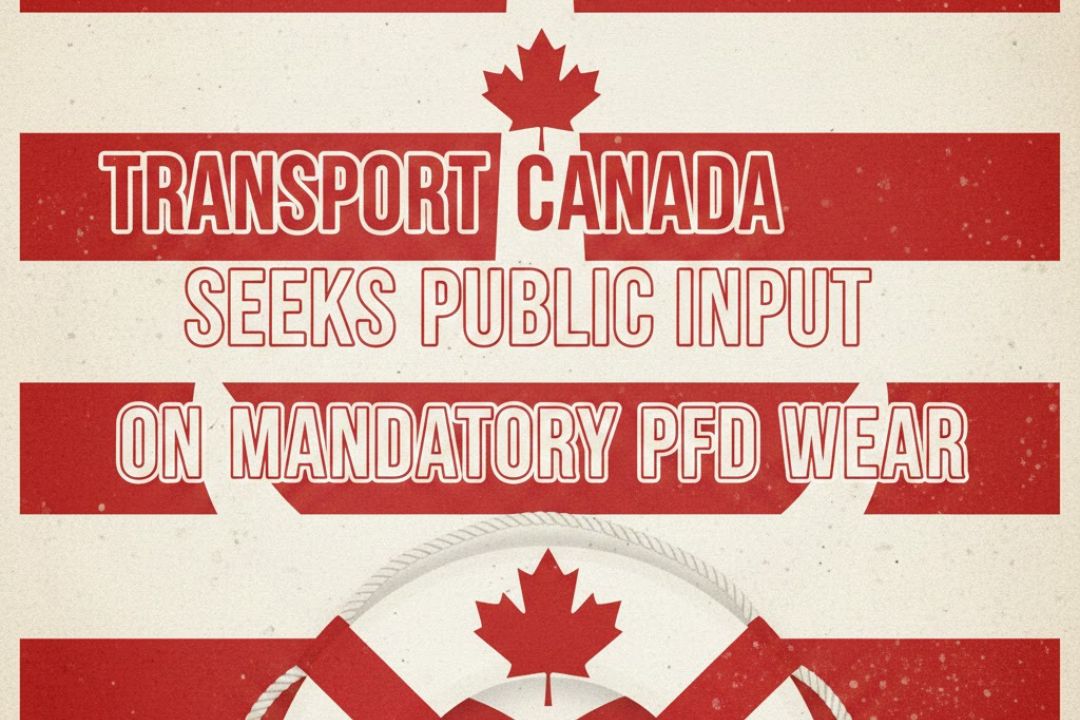
Recreational boaters across Canada may soon face new safety requirements. Transport Canada has recently launched a public consultation on making the wearing of Personal Flotation Devices (PFDs) or lifejackets mandatory for those aboard recreational boats. This could significantly change boating habits — and also has implications for how you manage your boat registration or pleasure craft licence.
Why the Transport Canada Proposal?
The proposal stems from troubling data: Canada averages about 111 recreational boating fatalities per year — the highest number among all marine-sector deaths. Nearly 89 % of those fatalities involve individuals who were not wearing a PFD or lifejacket at the time.
Under current law, the Small Vessel Regulations require that a properly approved flotation device be on board for each person on a recreational boat. However, those regulations do not require that the device be worn at all times, except in limited situations.
With the consultation, Transport Canada is asking the public whether wearing a PFD/lifejacket should become mandatory for recreational boaters — a shift with both safety and administrative implications.
How this could impact safety standards:
- More consistent use of flotation devices may reduce drowning risk.
- Vulnerable groups — such as children or users of smaller boats — may get extra protections under any new rules.
- Boaters who currently rely on having a PFD onboard but not wearing it would need to adapt.
What the Consultation Covers
Transport Canada is gathering feedback on several key questions:
- Should PFD/lifejacket wear be mandatory for everyone on a recreational boat, or just for certain age groups (for example, minors)?
- Should mandatory wear depend on boat size or type (e.g., human-powered vs. motorized)?
- Under what circumstances should wear be required (e.g., when the boat is underway, in open water, with children aboard)?
Public responses during the consultation period will help shape the final regulatory decisions. While the formal consultation period has since closed, TC may still review feedback and move toward regulatory changes.
Implications for Boat Registration and Pleasure Craft Licence Holders
If mandatory wear becomes law, there will be important downstream effects for boat owners and operators — including those who hold a licence through our portal.
On carrying vs wearing
- Under existing regulations tied to a valid pleasure craft licence, boaters must carry a properly approved PFD or lifejacket for each person on board. The device must be accessible, but it does not have to be worn at all times.
- If wear becomes mandatory, keeping the gear onboard won’t be enough — boaters will need to wear the PFD or lifejacket whenever required conditions apply.
This means a boat that is fully licenced under the pleasure craft licence regime may need to update their safety practices to stay compliant.
Who this affects
- Owners applying for a new pleasure craft licence.
- Individuals doing a replacement boat registration or renewing a licence.
- People managing registration of a government boat, or registering a boat for commercial use — though the consultation focuses on recreational boating, any future regulatory shift could influence broader safety practices.
How our service fits in: we help you complete your paperwork and ensure your boat is properly registered and licenced under current regulations. If the rules around PFD wear change, you’ll still need a valid licence — and you’ll also need to follow the updated safety requirements while on the water.
Choosing PFDs or Lifejackets: What the Transport Canada Rules Are Today
Even before mandatory wear, there are strict requirements for the flotation devices themselves. Under current guidelines:
- Each person on board must have a lifejacket or PFD approved by Transport Canada, the Canadian Coast Guard, or Fisheries and Oceans Canada.
- Lifejackets — which offer more buoyancy and self-righting capability — are required for many vessels, especially small non-pleasure craft or commercial fishing boats under the Small Vessel Regulations.
- Approved PFDs are allowed as alternatives under certain conditions: they must meet approval standards, and if they are inflatable, they generally must be worn whenever the boat is underway or on deck.
- For recreational pleasure craft, PFDs need to be on board but do not necessarily have to be worn at all times under existing law.
If mandatory wear is adopted — for example, for all persons aboard or for certain boat sizes — many boaters may need to shift from simply having approved devices onboard to wearing them continuously when underway.
What This Could Mean for Boaters
If you’re a recreational boater, you could be looking at:
- Changing habits: consistently wearing a PFD/lifejacket rather than keeping it stowed until needed.
- Updating your safety gear: choosing PFDs or lifejackets that meet TC approval, with proper buoyancy, retro-reflective tape, whistles, and — when required — self-righting capacity.
- Staying aware of conditions: even if you’re on a smaller boat or human-powered craft, the proposed rules may apply depending on your boat type or where you’re operating.
- Ensuring your pleasure craft licence remains valid and that you’re compliant with both documentation and safety equipment requirements.
How Our Portal Helps
As a boat owner, using our portal for an easier way to deal with Transport Canada like replacement boat registration, initial registration, or licence renewal lets you focus on the administrative requirements set out by Transport Canada.
Meanwhile, this consultation underscores how safety compliance — including potential future mandatory wear rules — remains your responsibility once you’re on the water.
We help you:
- Access and complete the correct forms for registration or licencing under TC rules.
- Keep track of expiration dates and renewal timelines for your pleasure craft licence.
- Understand current registration categories — whether you need a pleasure craft licence, whether your boat qualifies for registration, or whether you need to register a government boat.
No matter what changes come from the consultation, having a solid, valid licence will remain the bedrock of lawful boating under Canadian maritime laws.
What’s Next from Transport Canada
- TC will review public input collected through their “Let’s Talk Transportation” consultation along with data on boating fatalities and PFD wear rates.
- Possible regulatory amendments — for example, requiring PFD/lifejacket wear for all recreational boaters under certain conditions, or mandating wear for children or smaller boats.
If you have questions about how this might apply to your boat or licencing status, or want to ensure your paperwork and licence remain in order, we’re here to help. Let us guide you through Canadian boat registration, licence renewals, and any administrative updates, so you can focus on safe boating — without worrying about compliance paperwork.
FAQ
Frequently Asked Questions About Transport Canada Seeks Public Input on Mandatory PFD/Lifejacket Wear
How does this article help with transport canada seeks public input on mandatory pfd lifejacket wear?
This article adds context around transport canada seeks public input on mandatory pfd lifejacket wear, while the linked service and archive pages below help you move from research to action so you can move to the correct next step.
What information should I gather before taking the next step?
It helps to have the relevant vessel details, ownership information, and any current registry or licence numbers ready before you compare forms, filing paths, or related updates.
Where should I continue reading on this topic?
Use the related pages and resources below to review the main service page, the matching archive, and closely related internal topics.