
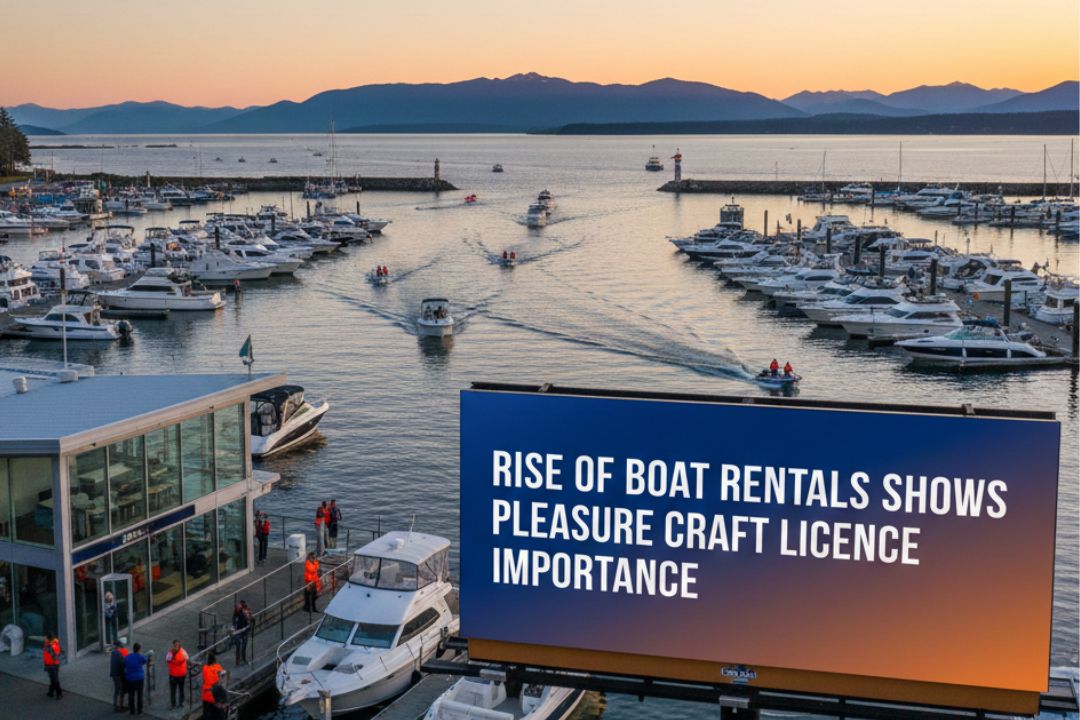
Boat rentals have surged across Canada as peer-to-peer platforms and casual sharing arrangements become part of everyday boating. This can be lucrative, fun, and convenient, but, it’s important to stay in compliance. For many owners, the first sign of trouble comes when they realize their pleasure craft licence does not cover how their boat is actually being used.
As the 2026 boating season approaches, Transport Canada has made it clear that it is closely watching how boats are being used, especially on popular rental apps. From our perspective, this shift has created real legal and financial exposure for well-intentioned owners who simply did not realize how quickly the rules change once money enters the picture.
Transport Canada has been explicit that “Ignorance of the law is not a defense.” Our service exists to help boat owners adapt legally.
Boat Rentals Are No Longer a Grey Area
The growth of short-term rentals has erased any remaining ambiguity about casual use. Transport Canada addressed this directly in this Ship Safety Bulletin. The bulletin explains how compensation of almost any kind can trigger a reclassification.
Points highlighted by Transport Canada include:
- Receiving money, goods, or services connected to boat use may be considered remuneration
- Online listings and app-based rentals are specifically identified as activities under review
- Compliance checks are expected to increase during peak boating seasons
- Documentation status is often the first thing inspectors verify
Once your use crosses into non-pleasure territory, the legal framework changes immediately.
What Changes When Money Is Involved
A pleasure craft licence is issued with a clear intent: personal leisure. The moment profit or compensation enters the equation, that intent no longer matches reality. Transport Canada’s position is not based on how often a boat is rented, but on whether it is rented at all.
This distinction affects:
- How your boat is classified
- Which safety standards apply
- What penalties may be assessed
- Whether your insurance responds to an incident
This is where many owners fall into what we often call the rental trap. They believe they are operating legally because their boat displays valid licencing numbers, yet those numbers no longer reflect permitted use.
Documentation Paths Are Not Interchangeable
It is critical to understand that licencing and registration serve different legal purposes. They are not substitutes, and Transport Canada treats them accordingly.
A pleasure craft licence generally involves:
- A five-year term
- A modest government fee
- Identification for personal recreation
Registration in the Canadian Register of Vessels involves a different legal status entirely. When a boat is used beyond personal enjoyment, Canadian boat registration is typically required to align with federal maritime rules.
From our standpoint, this is where our portal adds value. We make it easier to access and submit the appropriate registration forms so owners can adjust their documentation when their boating activity evolves.
Enforcement and Financial Exposure
Transport Canada’s enforcement authority includes Administrative Monetary Penalties that can reach significant levels. According to the 2024/2025 updates referenced in the bulletin, fines may reach up to $25,000 when a boat is improperly operated.
Common triggers for enforcement include:
- Rental listings discovered online
- Incident reports involving paying passengers
- Safety inspections revealing mismatched documentation
- Insurance investigations following an accident
Relying on a pleasure craft licence in these situations does not reduce exposure. In many cases, it increases it by demonstrating that the owner did not take steps to comply once their usage changed.
Insurance Gaps That Catch Owners Off Guard
One of the most serious risks does not come from Transport Canada at all. It comes from private insurers. Most recreational marine policies contain exclusions for commercial or compensated use.
Problems often arise when:
- A claim is filed after a rental-related incident
- The insurer requests proof of documentation status
- The policy language excludes non-pleasure activities
- Coverage is denied retroactively
Without proper registration, an owner may be left personally responsible for injuries, environmental damage, or property loss. This is not theoretical. We see owners turn to us after realizing that a single rental could jeopardize their home, savings, and future earnings.
Safety Standards Expand Quickly
Non-pleasure boats are subject to additional safety expectations that go well beyond what most recreational owners anticipate. These standards are not optional once a boat is used for compensated activity.
Depending on the boat and its use, requirements may include:
- Enhanced fire suppression equipment
- Additional lifesaving appliances
- Crew training obligations
- Compliance with inspection regimes
A pleasure craft licence signals personal use. When that signal no longer matches reality, safety compliance gaps become another layer of risk.
Regulatory Context Under Canadian Maritime Laws
Transport Canada’s position is grounded in federal statutes and regulations. These rules are part of broader Canadian maritime laws that govern how boats operate, how they are documented, and how safety is enforced.
Owners should be aware that:
- Federal law overrides informal arrangements between private parties
- Online platforms do not shield owners from liability
- Responsibility rests with the registered or licenced owner
- Compliance expectations evolve as boating practices change
We encourage owners to review applicable Canadian maritime laws and align their documentation before enforcement becomes an issue rather than after.
When Registration Supports Sharing Economy Participation
For owners interested in rentals, bareboat charters, or similar arrangements, proper registration is not a barrier. It is what allows participation to happen legally.
With registration in place:
- The boat’s status aligns with its actual use
- Insurance options expand rather than disappear
- Compliance inspections become manageable
- Long-term asset value is better protected
Our role is to simplify access to the official forms needed for that transition. We do not advise on operations or gather documents. We provide a streamlined way to work within the government’s framework.
The Role of the Small Vessel Register
Registration often involves entry into the small vessel register, which serves a different function than licencing. It establishes formal ownership and operational status within the federal system.
This registry:
- Tracks boats used beyond personal recreation
- Supports enforcement and safety oversight
- Creates a clear legal record of use
- Distinguishes registered boats from licenced pleasure craft
Ownership Transparency and Due Diligence
Formal registration also improves transparency in ways many owners do not anticipate. It allows interested parties to check boat history when necessary, which can be relevant in financing, transfers, or dispute resolution.
This transparency can:
- Support resale value
- Clarify ownership interests
- Reduce transactional friction
- Strengthen confidence for legitimate renters
These benefits extend beyond compliance and into long-term ownership planning.
How Our Service Fits Into This Shift
At the National Vessel Registry Center Corp., we focus on access. We provide the official Transport Canada forms through an online portal designed to reduce friction and confusion. As rental activity grows and enforcement tightens, owners need clear pathways to lawful operation.
Our service supports:
- Transition from licencing to registration when use changes
- Ongoing Canadian boat registration needs
- Updates that reflect evolving boating practices
- Compliance without unnecessary delays
We do not gather documents or negotiate with insurers. We make it easier to use what you already have to reach the registration outcome you need.
Planning Ahead for the 2026 Season and Beyond
Transport Canada has signaled that monitoring will increase as the 2026 season approaches. Rental platforms are no longer flying under the radar, and informal arrangements are being scrutinized alongside commercial operations.
Smart planning now involves:
- Reviewing how your boat is actually used
- Comparing that use against current documentation
- Recognizing that a pleasure craft licence may no longer apply
- Taking steps before enforcement actions occur
A pleasure craft licence is a kind of declaration of personal intent. Once that intent changes, documentation must change with it. By addressing this proactively, owners can participate in the modern boating economy without risking fines, denied claims, or personal financial exposure.