2026 Boat Safety Equipment Requirements in Canada: New PFD Standards
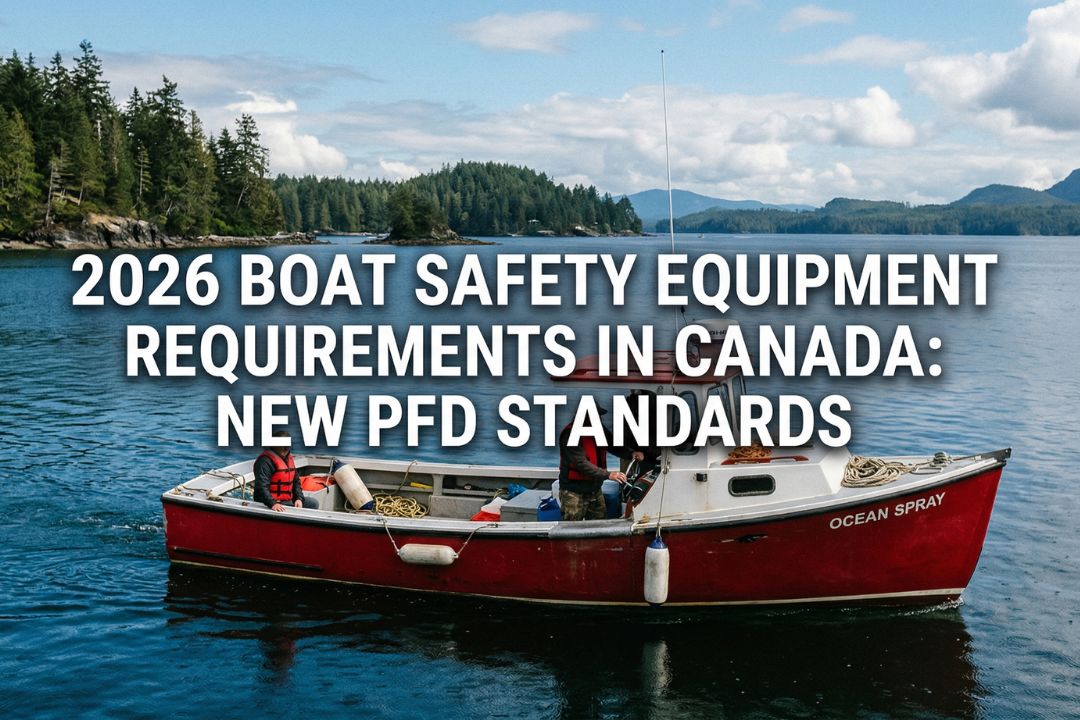
Staying ahead of vessel safety equipment requirements in Canada for 2026 is essential for a worry-free season. As these updates roll out, staying aligned with boat safety equipment requirements in Canada means looking beyond flotation devices and focusing on your boat’s full legal status. However, safety gear is only one part of maritime compliance. Whether…

Small Vessel Compliance Program (SVCP): Preparing for Risk-Based Inspections

Transport Canada’s 2025–2026 direction signals a clear shift toward targeted oversight for smaller commercial boats. For operators navigating these changes, the Small Vessel Compliance Program offers a practical path to stay aligned with evolving requirements while maintaining operational efficiency.  As inspections become increasingly selective and data-driven, being prepared is more important than ever.  A Shift…

2026 Abandoned Boat Title Process for a “Barn Find” Boat

2026 Abandoned Boat Title Process for a “Barn Find” Boat

Discovering an old boat hidden away in a barn or storage shed can feel like winning the lottery. However, restoring and using one of these forgotten boats is rarely as simple as cleaning it up and launching it. In many cases, the path forward involves resolving an abandoned boat title situation before the boat can…

Pleasure Craft Licence News: Electric Boats & The “10 HP” Threshold

Pleasure Craft Licence News: Electric Boats & The

Electric propulsion is rapidly changing recreational boating across Canada. However, the legal framework governing motorized boats has not changed as quickly as the technology. Many boaters still rely on an outdated assumption: that the requirement for a pleasure craft licence begins only when a motor exceeds 10 horsepower. Electric motors are often listed in kilowatts…

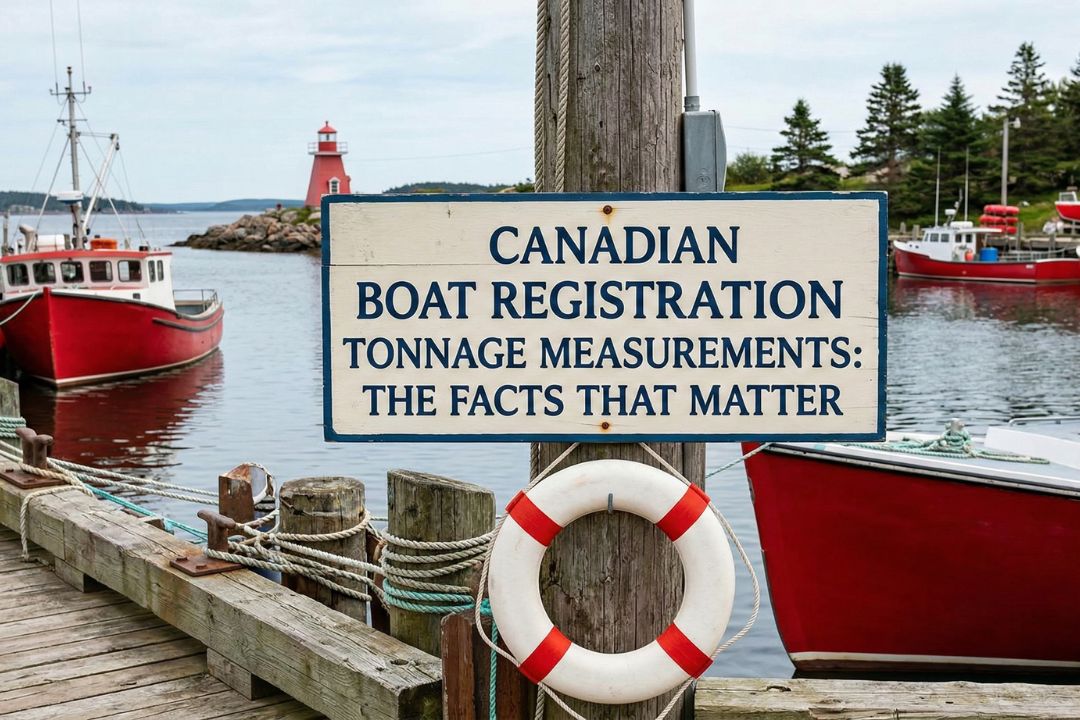
Canadian Boat Registration Tonnage Measurements: The Facts That Matter

Canadian Boat Registration Tonnage Measurements: The Facts That Matter

Accurate measurements are now more central than ever to Canadian boat registration. Recent regulatory updates from Transport Canada have changed how tonnage is calculated for boats under 24 metres, directly affecting how owners register, transfer, and maintain compliance.  At National Vessel Registry Center Corp., our online portal makes it easier to access and submit the…

Avoid a Fine When You Complete a Transport Canada Boat Transfer

Avoid a Fine When You Complete a Transport Canada Boat Transfer

As of January 1, 2026, completing a Transport Canada boat transfer is no longer something you can put off for months. The federal timeline has changed, and the consequences for delay are immediate.  Our online portal makes it easier to file the required forms for Canadian boat registration, pleasure craft licencing, and registry updates so…

Vessel Mortgages in Canada: Guide for Owners and Lenders

Vessel Mortgages in Canada: Guide for Owners and Lenders

Vessel Mortgages in Canada are important marine financing financial instruments that allow vessel owners to borrow against the value of their vessels.  The financing arrangement enables the purchase and upgrade of vessels, and long-term investment itself gives the lenders security under law. However, a vessel mortgage may fail to provide the protections expected by either…

Changing Course: Boat Transfer After Death or Divorce

Changing Course: Boat Transfer After Death or Divorce

When life shifts unexpectedly, boat ownership can change just as quickly. Whether you are managing an estate or separating assets after a marriage ends, a boat transfer must be handled promptly and correctly to stay compliant with Canadian maritime requirements.  At National Vessel Registry Center Corp., our service simplifies the online filing process for Transport…