
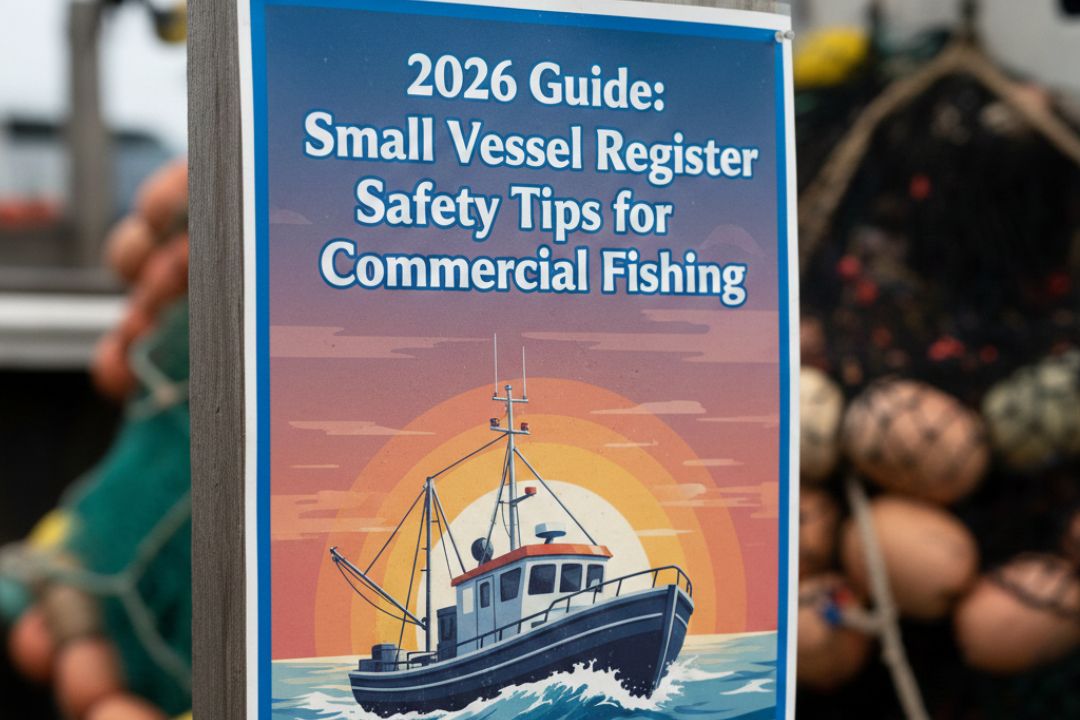
Operating a commercial fishing boat in Canada in 2026 means balancing daily work on the water with evolving safety expectations. The Small Vessel Register plays a direct role in how Transport Canada connects your boat’s registration status with safety oversight, inspections, and compliance programs.
From stability notices to digital safety records, registration status now shapes how safety information is tracked and reviewed. At National Vessel Registry Center Corp., our service is built to make Canadian boat registration and related filings easier to manage online.
That way, commercial fishing operators can stay aligned with current safety rules without unnecessary friction.
Fishing Boat Registration and Safety Oversight in 2026
Registration is often viewed as an administrative step, but for commercial fishing boats it functions as a gateway into Transport Canada’s safety framework. When a boat is entered into the Small Vessel Register, it becomes part of a system that connects ownership records, operational details, and safety requirements.
From a regulatory perspective, registration allows Transport Canada and the Canadian Coast Guard to:
- Confirm that a fishing boat is operating under the correct category
- Apply the correct safety equipment standards based on size and use
- Track inspection history and compliance trends
- Reference ownership and operational details during boardings
Our service focuses on providing the correct federal forms through one online portal. We do not gather documents on your behalf, but we make it easier to use the documents you already have to complete and maintain your registration filings.
Registration status is also separate from a pleasure craft licence. Commercial fishing boats registered through federal systems are subject to different rules than recreational boats, and the distinction matters during inspections and enforcement.
The Registration and Safety Equipment Connection
One of the most overlooked aspects of registration is how it influences safety equipment expectations. Transport Canada does not apply a single safety checklist to all fishing boats. Instead, requirements vary depending on how the boat is registered and classified.
When a fishing boat appears in the Small Vessel Register, Transport Canada can associate that record with:
- Hull length and construction details
- Engine configuration and propulsion type
- Intended commercial use
- Geographic operating area
This information feeds directly into safety assessments. For example, a boat operating offshore with a larger crew will face different expectations than a near-shore fishing boat with minimal personnel.
Our online portal supports Canadian boat registration by giving operators streamlined access to federal registration forms. This helps ensure that registration details accurately reflect how the boat is actually used, which in turn supports appropriate safety oversight.
Digital Safety Tracking and the SVCP Blue Book
As of January 2026, Transport Canada expanded digital reporting options under the Small Vessel Compliance Program. The SVCP “Blue Book” has moved further into the digital space, allowing fishing operators to maintain clearer safety records that align with registration data.
For commercial fishing boats, the SVCP is designed to:
- Encourage routine self-checks of safety equipment
- Provide a structured record of compliance activities
- Reduce surprises during on-water boardings
The digital Blue Book allows operators to:
- Record safety equipment inspections
- Note corrective actions taken after deficiencies
- Maintain a timeline of safety checks tied to the boat
When a fishing boat is listed in the Small Vessel Register, these digital records can be more easily referenced during compliance reviews. Our service supports the registration side of this process by simplifying how operators access and submit federal forms that keep registration records current.
Stability Risks and the “Four Out of Five” Statistic
Transport Canada continues to report that four out of five fatalities on fishing boats are linked to stability failures or falling overboard. This statistic has driven increased attention to stability documentation, particularly for smaller commercial fishing boats.
Stability risks often increase gradually over time. Common contributors include:
- Adding new fishing gear
- Replacing or relocating winches
- Modifying deck layouts
- Increasing fuel or catch storage capacity
In 2026, boats listed in the Small Vessel Register are expected to maintain a current Stability Notice. Even modest changes to a fishing boat can affect its center of gravity and overall stability.
Key points operators should keep in mind:
- Stability Notices must reflect the boat’s current configuration
- Modifications should trigger a stability review
- Outdated stability information can lead to enforcement action
During boardings, inspectors may cross-reference stability documentation with registration details. Accurate registration records make that process smoother and reduce the risk of discrepancies.
On-Deck PFD Rules Under Updated FVSR
Personal flotation device requirements have also evolved under the Fishing Vessel Safety Regulations. The general rule in 2026 is straightforward: anyone working on deck must wear a PFD unless they are protected by a railing or other effective means.
This rule is enforced more consistently when registration data clearly identifies a boat as a commercial fishing operation. Registration status helps inspectors determine which FVSR provisions apply.
Practical considerations for fishing crews include:
- Selecting PFDs designed for constant deck work
- Ensuring sizes and styles match crew tasks
- Replacing worn or outdated flotation gear
A notable trend in 2026 is the increased use of integrative PFDs built directly into foul-weather gear. These designs support compliance without adding bulky equipment that interferes with daily fishing tasks.
While our service does not sell safety equipment, we support registration filings that clearly classify your fishing boat, which helps ensure that the correct safety rules are applied during inspections.
Training Records and the Master’s Responsibilities
The Fishing Vessel Safety Regulations place clear responsibility on the Master of a fishing boat. One of the most critical obligations is maintaining a Training Record for all required safety drills.
Training records typically include:
- Man-overboard drills
- Fire response exercises
- Abandon-boat procedures
- Use of life-saving appliances
In 2026, inspectors boarding a fishing boat may request both registration documentation and training logs. When a boat is listed in the Small Vessel Register, inspectors can quickly confirm registration status before reviewing onboard records.
If required records are missing, enforcement action may follow under the Canada Shipping Act, 2001. Operators can review applicable Canadian maritime laws through Transport Canada’s legislative resources, which outline penalties and compliance expectations.
Our role is limited to providing access to federal registration forms. By keeping registration filings current, operators reduce one variable during inspections and allow crews to focus on demonstrating operational safety.
Registration, Boardings, and Compliance Checks
On-water boardings remain a routine part of commercial fishing operations. Registration status influences how these interactions unfold.
During a typical boarding, officers may:
- Confirm registration details
- Review safety equipment
- Ask for training records
- Assess compliance with FVSR standards
When registration records are accurate and current, the process is more efficient. Outdated or inconsistent registration information can slow inspections and raise additional questions.
Our portal helps fishing operators manage federal registration filings in one place. This is especially useful for operators managing multiple boats or seasonal changes in operations.
Using Registration Records to Check Boat History
Registration data also plays a role beyond immediate safety checks. Many operators rely on registration records to check boat history when acquiring or refitting a fishing boat.
Registration records can help identify:
- Previous names and ownership changes
- Registration status changes over time
- Gaps that may require clarification
Being able to check boat history through official records supports safer purchasing decisions and helps new operators understand a boat’s compliance background. Our service supports access to the forms needed to maintain accurate records over time.
Commercial Registration and Recreational Licencing Are Not the Same
It is important to distinguish between commercial registration and recreational licencing. A pleasure craft licence applies to recreational boats and does not replace federal registration for commercial fishing operations.
Commercial fishing boats are subject to:
- Federal registration requirements
- FVSR safety standards
- Commercial inspection and enforcement regimes
A pleasure craft licence does not meet these requirements for commercial use. Registration through the Small Vessel Register places a fishing boat within the correct regulatory framework for safety oversight.
Our service supports commercial operators by focusing on federal registration filings, not recreational licencing pathways.
How Our Online Service Supports Compliance
At National Vessel Registry Center Corp., we provide a centralized online portal for Transport Canada registration forms and related filings. We do not collect documents for you, and we do not secure approvals on your behalf. Our role is to simplify access to the correct forms so you can submit accurate information efficiently.
For commercial fishing operators, this means:
- Easier access to federal registration forms
- A single portal for managing registration updates
- Support for maintaining consistent registration records
By keeping registration details aligned with how your fishing boat operates, you reduce friction during safety checks and inspections tied to the Small Vessel Register.
Safety compliance in 2026 is increasingly connected to how registration data is managed. From digital safety records to stability oversight, registration status influences how Transport Canada applies the Fishing Vessel Safety Regulations. Our service exists to support that registration process, helping commercial fishing operators stay aligned with current expectations while focusing on the work that matters most on the water.