
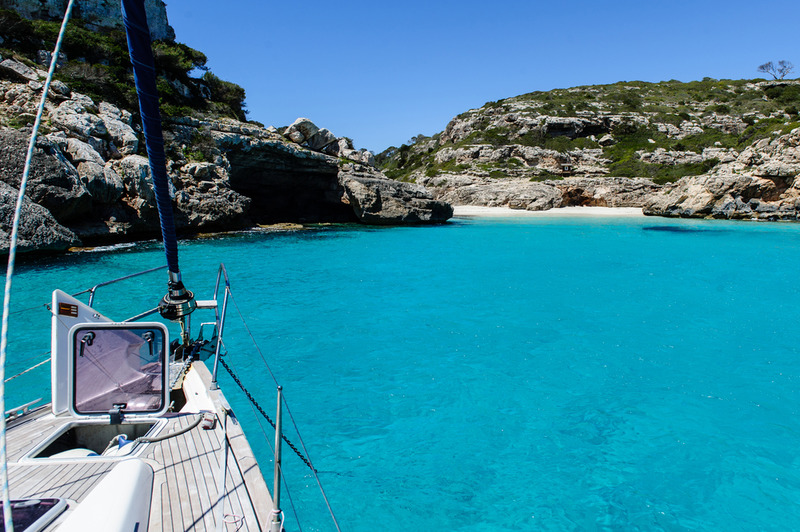
A bareboat charter is an arrangement where a boat owner leases their boat to another party, known as the charterer, without providing a crew or any additional services.
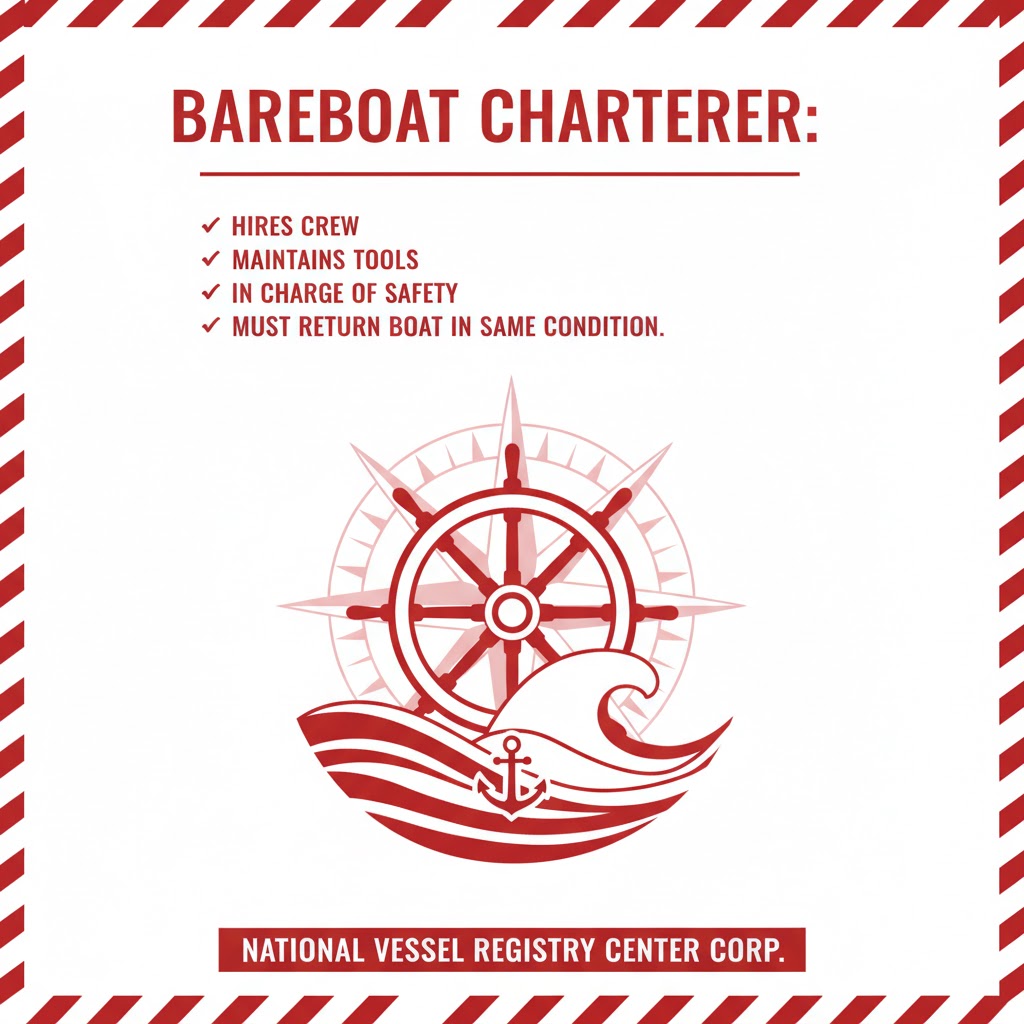
In this setup, the charterer takes full responsibility for the boat’s operation, maintenance, and navigation during the charter period. They essentially become the temporary owner of the boat, taking control of everything from hiring the crew to provisioning the supplies.
Bareboat charters in Canada are a popular choice for both experienced mariners and businesses looking to operate boats for commercial purposes without taking on the costs and obligations of full ownership.
Bareboat charters can benefit both sides of the arrangement: the owner earns revenue from leasing their boat, while the charterer enjoys the freedom of operating a boat as if it were their own—without the long-term commitment.
How Do Bareboat Charters in Canada Work?
A bareboat charter differs from other forms of boat rentals because it transfers operational control to the charterer. When a charterer enters a bareboat agreement, they are responsible for every aspect of the voyage. This includes:
- Choosing and hiring the crew
- Maintaining safety equipment and navigation tools
- Paying for fuel, docking fees, and provisions
- Managing compliance with Canadian maritime laws
- Returning the boat in the same condition it was received
During the charter period, the charterer assumes the liabilities and risks associated with operating the boat. From a legal perspective, the charterer is considered the “owner pro hac vice,” meaning they have ownership rights for the time they control the boat.
This setup appeals to both commercial operators and private boating enthusiasts. It allows for more flexibility than a typical boat rental and can be used for tourism, research, transportation, or other short-term projects on Canadian waters.
What Are the Benefits of Bareboat Charters in Canada?
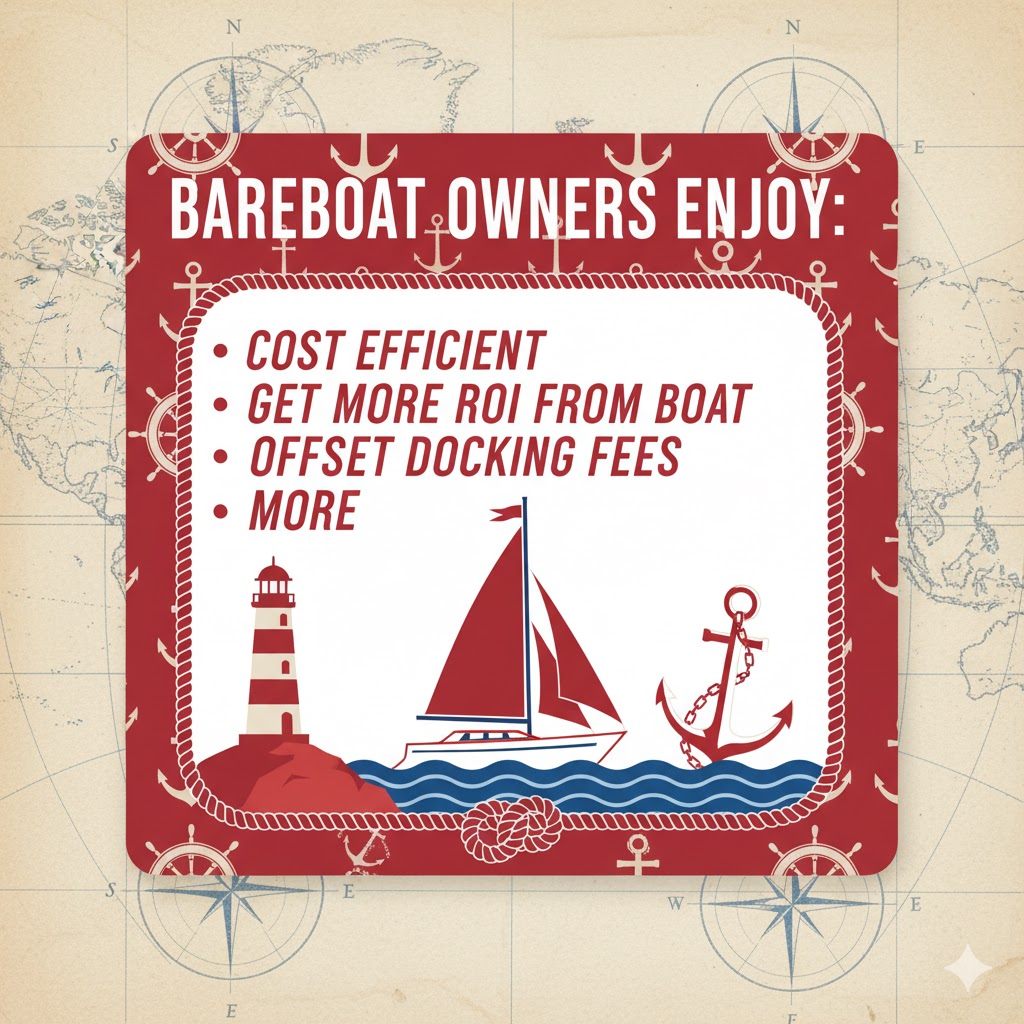
The appeal of bareboat charters lies in their adaptability and financial efficiency. They are a proven way for both owners and charterers to meet their goals without long-term ownership or staffing burdens.
Some of the primary advantages include:
- Full control for the charterer: Charterers can select their routes, manage their own schedule, and hire their own crew. This independence offers a true boating experience.
- Cost efficiency for owners: Boat owners can generate income from their boats without personally operating them.
- Operational flexibility: Boats can be leased for short or extended periods, depending on demand and availability.
- Business opportunity: Charterers can use a bareboat agreement to start or expand a business operation, such as a tour company or transport service, without purchasing a boat outright.
- Tax and registration advantages: Depending on the charter’s nature, there may be specific financial benefits and simplified requirements related to boat registration in Canada.
Both sides also benefit from a clear contractual structure. The agreement typically outlines maintenance responsibilities, insurance obligations, and operational rules, reducing misunderstandings and ensuring compliance with Canadian maritime regulations.
Who Would Want to Operate a Bareboat Charter?
A wide range of people and organizations choose to operate bareboat charters in Canada. Whether for recreation, business, or training, these charters provide freedom and opportunity that standard rentals do not.
Some examples include:
- Tour operators who need access to boats for sightseeing or adventure cruises.
- Marine researchers conducting studies on Canadian waterways.
- Shipping or freight services seeking temporary control of a boat without ownership costs.
- Entrepreneurs starting short-term charter businesses in seasonal locations.
- Skilled mariners who prefer to navigate independently rather than hire a pre-crewed vessel.
For these individuals and organizations, a bareboat charter offers both control and responsibility. The charterer can customize their operations, manage crew selection, and build a business model that fits their needs.
Who Would Want Their Boat Used in a Bareboat Charter?
Boat owners may find bareboat charters appealing, especially if they are not actively using their boats year-round. Leasing a boat through this arrangement can turn an idle asset into a reliable source of income.
Owners who might choose this option include:
- Private boat owners who want to offset maintenance and docking costs.
- Companies with fleets looking to maximize utilization.
- Investors who purchase boats specifically to lease them under bareboat charters.
When a boat owner leases out their boat in this way, they maintain ownership rights but transfer operational responsibility to the charterer. It’s an effective strategy for owners who want to retain long-term control while generating revenue.
However, it’s essential that owners ensure their boat meets all regulatory standards and is properly registered or licensed before entering any agreement. Depending on its size and use, a boat may require:
- A pleasure craft licence, for personal use or non-commercial purposes.
- A listing in the small boat register, applicable to certain smaller commercial boats.
- Full boat registration in Canada for larger or commercially operated boats.
Our service provides the necessary online forms to make the registration process easier, whether you are preparing your boat for a charter or updating its registration status before entering a new agreement.
How Do I Prepare a Boat for a Bareboat Charter?
Before leasing your boat through a bareboat charter, it’s crucial to ensure that it meets safety, legal, and operational requirements. While each agreement is unique, there are several key steps every owner should consider.
Confirm the Boat’s Legal Standing
A boat must have valid documentation or licensing to operate legally in Canadian waters. Depending on its size and use, this may include a pleasure craft licence or registration in the Canadian Register of Vessels. Commercial use may also require additional compliance with Canadian maritime laws.
Ensuring that your boat’s registration or licence is up to date not only protects you legally but also helps your charterer avoid complications during operation.
Conduct a Full Inspection
A professional inspection helps verify the condition of the boat and ensures that it’s seaworthy. This step includes examining:
- Hull integrity and propulsion systems
- Navigation and communication equipment
- Safety gear such as lifejackets, fire extinguishers, and signaling devices
- Interior and electrical systems
Providing a well-maintained boat builds trust with charterers and reduces the risk of disputes.
Establish a Detailed Charter Agreement
A comprehensive contract protects both the owner and the charterer. It should specify:
- Charter duration and boundaries of operation
- Maintenance responsibilities and insurance coverage
- Financial terms and payment schedules
- Security deposits and liability clauses
This agreement becomes the foundation for a successful charter relationship.
Provide Essential Equipment and Manuals
While the charterer assumes operational control, the owner should still provide essential manuals, maintenance records, and safety documentation. This ensures that the charterer can operate the boat responsibly and in compliance with Canadian regulations.
Confirm Insurance Coverage
Both parties should review insurance requirements before signing the charter agreement. In most cases, the charterer will need to arrange their own operational coverage, but the owner may still maintain insurance for the boat’s value and long-term protection.
Why Could Bareboat Charters Continue to Grow in Canada?
Bareboat charters have become increasingly popular across Canada’s coasts and inland waterways. From the Pacific to the Atlantic, more owners and operators recognize the value of this flexible arrangement.
The growth of this sector is driven by several factors:
- Increased demand for tourism and private boating experiences
- Rising interest in commercial and research operations on Canadian waters
- The appeal of shared-use and temporary ownership models
- Easier online access to registration and charter documentation
For anyone interested in boating in Canada, bareboat charters offer a blend of freedom, responsibility, and opportunity. They allow charterers to explore new business ventures or recreational experiences while providing owners a secure way to earn income from their boats.