
The recent announcement by Transport Canada of a $6 billion investment into Canada’s trade and transportation infrastructure has broad implications — not just for freight and exports, but also for boat owners, commercial operators, and those holding a pleasure craft licence.
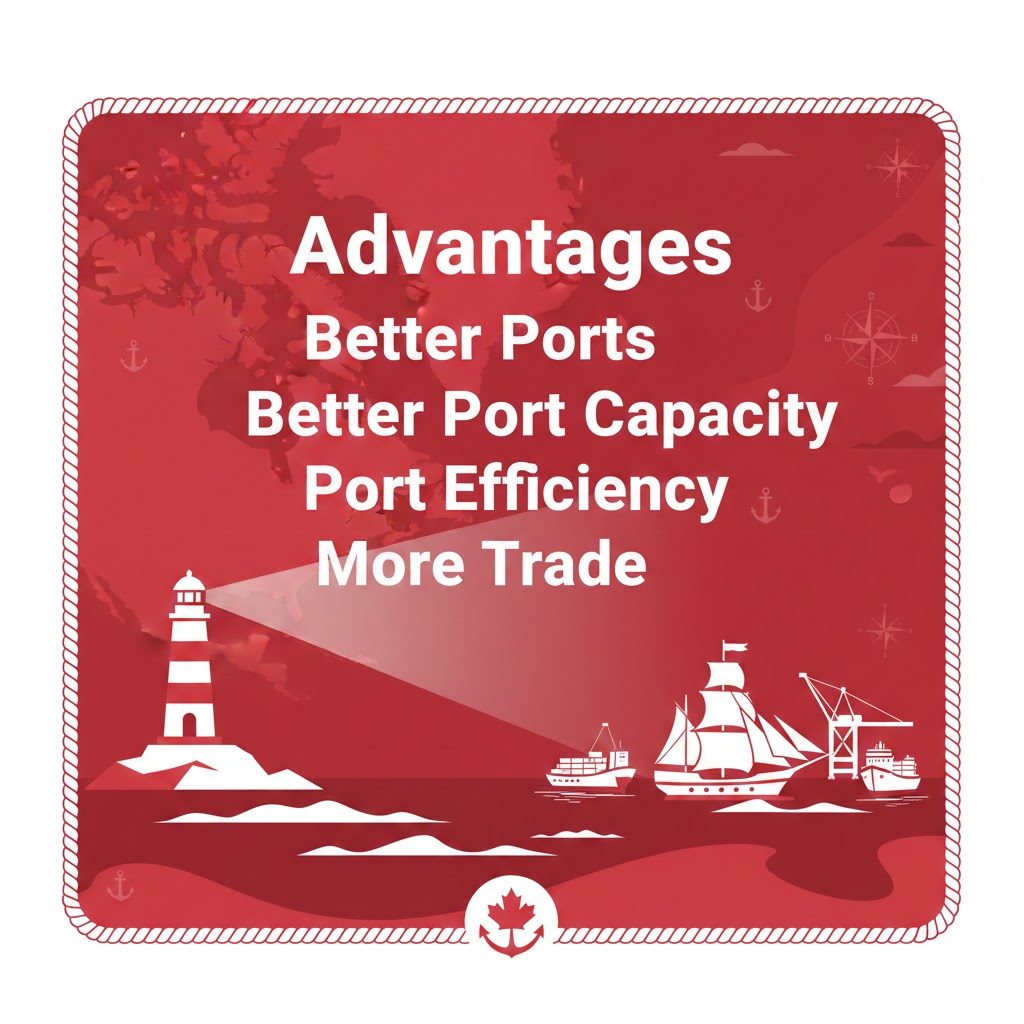
This investment will reinforce port infrastructure across the country, which translates into improved efficiency, capacity, and services — elements that matter to anyone using Canada’s waterways.
What This Transport Canada Investment Means for Ports
Through funds allocated under this Transport Canada trade infrastructure plan, (as announced in this press release), ports nationwide will receive support to expand capacity, modernize facilities, and improve supply chain connections.
- A large portion of the funding — via the Trade Diversification Corridors Fund — is directed toward strengthening corridors that span ports, railways, and roads.
- Specific ports are already benefitting: for instance, upgrades at Port of Montréal include expansion of rail capacity and container-terminal improvements.
- At Port of Halifax, part of the funding supports green-shipping infrastructure, including facilities for alternative-fuel vessels, hydrogen production, and electrified port equipment.
For ports that handle a mix of cargo traffic and marine-transport services, these investments will likely reduce congestion, speed up turnaround times, and accommodate larger or more diversified marine traffic.
What This Transport Canada News Means for Commercial-Use Boat Operators
If you operate a boat under commercial registration, the upgrades to ports and infrastructure can translate into several advantages:
- Improved access to upgraded dock, terminal, and rail-connected port facilities can make cargo loading/unloading more efficient.
- Enhanced port capacity may lead to reduced delays for freight, bulk goods, and supplies — meaning more reliable scheduling for commercial boat operations.
- As port efficiency rises, potential expansion in trade could drive up demand for marine transport services, benefiting commercial-boat operators.
Given that the funding supports long-term growth across trade corridors, commercial boat operators registered under the appropriate documentation regime stand to benefit from smoother supply chains and more robust transport links.
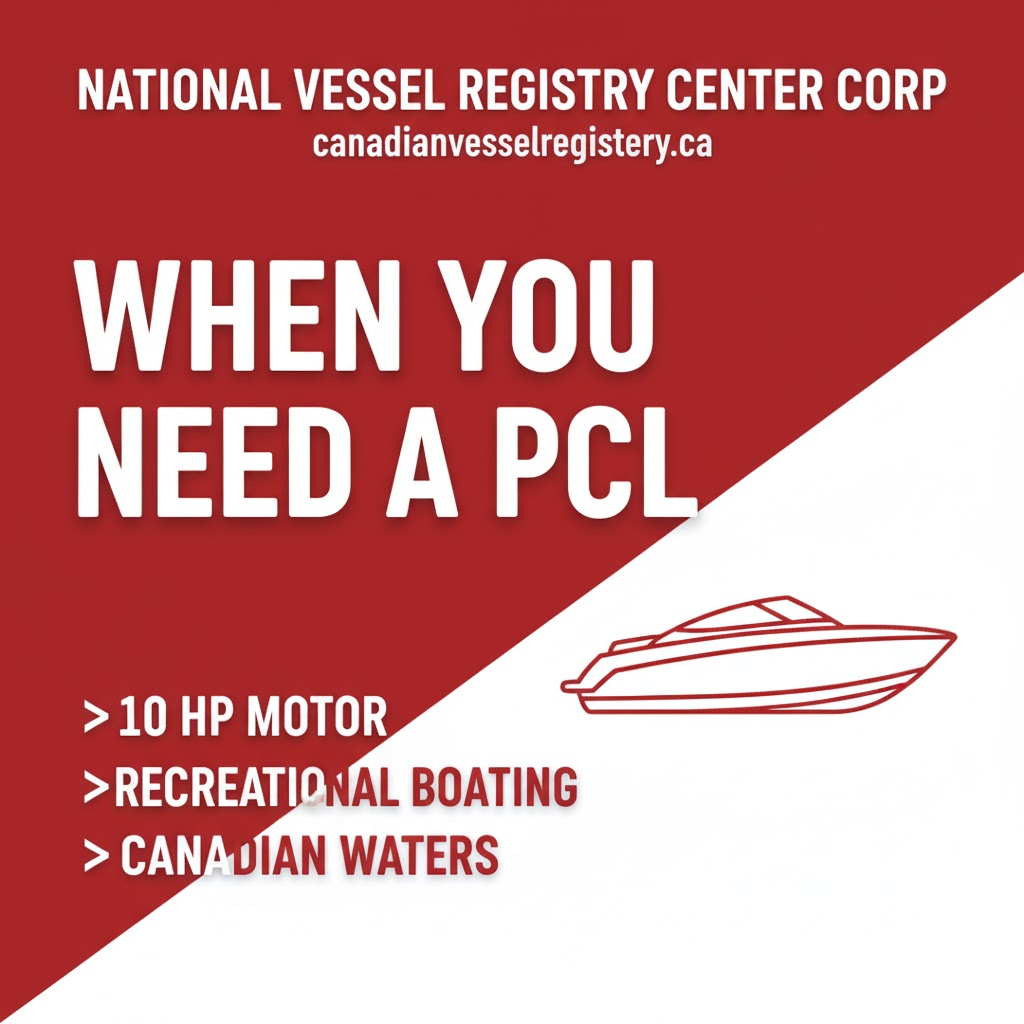
What It Means for Pleasure Craft Licence Holders and Private Boaters
For those holding a pleasure craft licence, or simply operating smaller private boats, these Transport Canada investments can still matter — perhaps in less direct, but important ways:
- Ports outfitted with green-shipping corridors and modern facilities may support a higher volume of vessels, including those using alternative fuels or modern technologies. This could encourage an overall boost in marine-transport infrastructure, which may benefit general boat traffic.
- Enhanced port reliability and expanded capacity may reduce congestion or delays when sharing harbor space with commercial traffic.
- In many cases, improved port facilities can increase overall maritime traffic and port services, potentially giving pleasure-craft users better access to amenities around port areas, though this depends on port-specific policy.
Whether you’re using your boat commercially or privately under a pleasure craft licence, the downstream effects of stronger ports may lead to improved services and infrastructure.
Relation to Transport Canada Boat Documentation — What It Means for You
As a platform offering boat-registration services under Canadian maritime laws, our portal at National Vessel Registry Center Corp. can help you align registration with evolving infrastructure.
- If you require replacement boat registration, (for example, renewing documents, updating ownership, or re-registering after changes), having modern, efficient ports will support your operations once paperwork is completed.
- Our services accommodate registration of a government boat, if relevant, ensuring that any vessel under government use can be properly documented, while ports benefit from increased national investment.
- As Canada’s ports become better equipped to handle modern marine traffic, including private and commercial boats, having correct documentation becomes more important — especially if regulations evolve.
- If you’re on the small boat register, or planning to get registered under that regime, improved port infrastructure could make Canadian ports more accessible and manageable for small-boat owners.
- For holders of a pleasure craft licence, the improved port environment may add stability and reliability to marine operations and port-related amenities.
By offering easy access to required forms and documentation, our portal supports both commercial operators and recreational boaters in aligning with current and future port capacities.
Broader Impacts on Marine Transport and Boating Community
These investments send a strong signal that marine transport remains a key component of Transport Canada’s trade and transportation strategy. As ports modernize and expand:
- Freight and cargo flows across Canada, including goods that need marine transport, should become more efficient and reliable. This benefits commercial boat ventures, transport contractors, and supply-chain services.
- Ports equipped for alternative-fuel vessels may pave the way for cleaner, more sustainable boating. This is a positive for commercial operators and private boaters with environmental considerations.
- As Canadian ports upgrade container and rail connectivity, marine logistics ecosystems may grow, potentially creating new opportunities for marine-transport service providers.
- Upgraded infrastructure could increase demand for support services, including documentation, registration, and compliance services, making our portal’s role more relevant than ever.
Why This Investment Matters to Our Users
We see this Transport Canada investment as pivotal for the marine-transport sector:
- For commercial boat owners and operators, improved port infrastructure may reduce bottlenecks and enable smoother, more predictable operations.
- For pleasure-craft licence holders and small-boat owners, enhanced port services and better-equipped harbors may improve access and reliability when near or passing through major ports.
- For anyone needing registration — whether for a commercial boat, government boat, or small-boat register — updated port conditions underscore the value of keeping documentation current and compliant.
We remain committed to making the process of obtaining proper Canadian boat documentation simpler and more accessible. As ports evolve under the new funding framework, having accurate registration and licencing in hand will ensure that you can take full advantage of upgraded infrastructure — whether you’re hauling goods, travelling for leisure, or operating a small boat under the small boat register.
Remember that boat-owners must stay compliant with applicable Canadian maritime laws when using their boats in commercial or pleasure contexts.
By staying registered, licensed, and ready — you position yourself to benefit from this historic investment in Canada’s marine infrastructure.
FAQ
Frequently Asked Questions About Transport Canada Investment Strengthens Ports: Pertinent Details for Boaters
How does this article help with Transport Canada Investment Strengthens Ports: Pertinent Details for Boaters?
This article adds context around Transport Canada Investment Strengthens Ports: Pertinent Details for Boaters, while the linked service and archive pages below help you move from research to action so you can move to the correct next step.
What information should I gather before taking the next step?
It helps to have the relevant vessel details, ownership information, and any current registry or licence numbers ready before you compare forms, filing paths, or related updates.
Where should I continue reading on this topic?
Use the related pages and resources below to review the main service page, the matching archive, and closely related internal topics.