
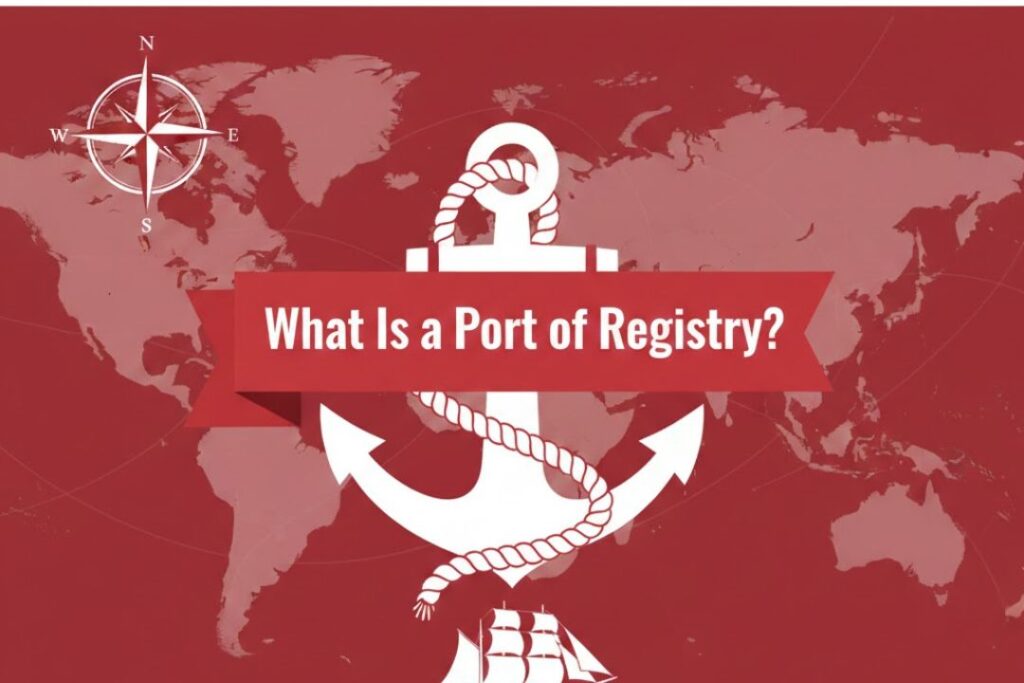
A Port of Registry is the official home base recorded on your federally registered boat, the central location tied to its identity under Canadian maritime laws. For owners searching for help with vessel name and port of registry details, our service provides the Transport Canada forms you need so the process can move forward smoothly.
The port of registry appears on the Certificate of Registry, connects to your boat’s legal status, and links directly to its authorized name.
A Port of Registry helps verify where your boat is primarily based and which regional authority handles your registration file.
Boat owners using the federal register must select a port that appears on Transport Canada’s approved list. That choice becomes permanent unless you file a separate request to change it.
How a Port of Registry Defines Your Boat’s Identity
A Port of Registry is more than a geographic note on a federal form. It:
- Establishes the official Canadian home of your boat.
- Connects directly to your boat’s approved name.
- Helps Transport Canada manage your file.
- Anchors your identity in the national register.
- Shows compliance when inspectors, marinas, or marine enforcement review your paperwork.
- Signals where your boat is primarily based even if it travels widely.
When clients work with our service, they often focus on choosing a name first and then selecting the matching port. That pairing of vessel name and port of registry is part of the federally recognized identity printed on the Certificate of Registry.
How Vessel Name Requirements Connect to the Port of Registry
Transport Canada requires every federally registered boat to have a unique name. You cannot choose a name that is too similar to another registered boat, and the Port of Registry is part of ensuring this distinction. The two are linked together in the federal system.
This is why many owners think of the “vessel name and port of registry” as a single unit. The moment your certificate is issued, both pieces become inseparable on the record.
Boat names must follow Transport Canada rules related to:
- Distinctiveness
- Clarity
- Avoiding offensive wording
- Avoiding duplication
- Ensuring availability before submission
Our service helps with the forms involved so you can submit a name choice that meets federal rules. If you need to change your boat’s port later, that name travels with it unless you separately apply for a name change as well.
Why Canadian Maritime Laws Affect the Vessel Name and Port of Registry Choice
Registered boats fall under the Canada Shipping Act, and Transport Canada enforces these rules across every province and territory. When choosing a port, or pairing your vessel name and port of registry, the regulations within this law apply.
This framework impacts:
- How your name is approved
- Where your port can be
- When changes require new paperwork
- Which forms apply to different types of registered boats
- Whether your boat qualifies for the small vessel register or the large registry
Types of Boats That Use a Port of Registry
The Port of Registry applies to federally registered boats only, not those operating under a pleasure craft licence. Some categories that involve a Port of Registry include:
- Commercial boats
- Fishing boats
- Cargo or passenger boats
- Boats operating through bareboat charters in Canada
- Boats requiring federal registration for financing
- Boats that fall under the small vessel register (where applicable)
- Boats requiring registration of a government boat
If you move away from the pleasure craft licence system and into federal registration, selecting a Port of Registry becomes mandatory.
Approved Ports of Registry Across Canada
Transport Canada restricts the available locations for registration. Below is a list of recognized ports from which owners may choose when completing their federal forms through our portal.
Alberta
- Edmonton
British Columbia
- Victoria
- Vancouver
- Prince Rupert
- Port Alberni
- New Westminster
- Nanaimo
New Brunswick
- Saint John
- St. Andrews
- Moncton
- Grand Manan
- Caraquet
- Chatham
- Campbellton
- Bathurst
Manitoba
- Winnipeg
Newfoundland and Labrador
- St. John’s
Northwest Territories
- Yellowknife
- Hay River
Nunavut
- Iqaluit
Prince Edward Island
- Charlottetown
Quebec
- Trois-Rivières
- Sorel
- Québec
- Port Alfred
- Paspebiac
- Montréal
- La Baie
- Gaspé
- Chicoutimi
- Cap-aux-Meules
Yukon
- Whitehorse
- Dawson
Saskatchewan
- Prince Albert
Ontario
- Port Arthur
- Picton
- Peterborough
- Owen Sound
- Ottawa
- Nanticoke
- Midland
- Kingston
- Kenora
- Hamilton
- Goderich
- Fort William
- Cornwall
- Collingwood
- Chatham
- Brockville
- Belleville
- Amherstburg
- Windsor
- Wallaceburg
- Thunder Bay
- Toronto
- Southampton
- Sault Ste-Marie
- Sarnia
- St. Catharines
- Prescott
- Port Stanley
- Port Dover
- Port Colborne
- Port Burwell
Nova Scotia
- Annapolis Royal
- Yarmouth
- Windsor
- Weymouth
- Sydney
- Shelburne
- Port Hawkesbury
- Pictou
- Parrsboro
- Lunenburg
- Liverpool
- Havre
- Halifax
- Grindstone
- Digby
- Canso
- Barrington Passage
- Arichat
How Our Service Helps with Port of Registry Changes
You may move to another region, change how your boat operates, or prefer a location closer to your long-term mooring. Changing your port is a federal process, and our online service provides the correct form so you can request that change directly with Transport Canada.
People use this option when:
- Their home marina changes
- They operate commercially in a new region
- They relocate
- Their business or operating base shifts
- They want a port that better reflects their boating activity
All changes must be done through Transport Canada documentation requests. We make those forms available for quick submission.
Situations Where a Port of Registry Change Makes Sense
Not every owner needs to change your vessel name and port of registry. But, certain circumstances make a request practical:
- Moving from one province to another
- Shifting from private use to commercial use
- Transitioning toward long-term charter operations
- Refinancing a commercial boat
- Adjusting operations for northern or coastal waters
- Aligning with a new business headquarters
- Preparing for marina contracts that require accurate federal records
When a change is necessary, our service provides the federal form so the update can be submitted to Transport Canada.
How Our Online Portal Helps You Move Forward
Boat owners often reach out to us because managing federal paperwork directly can be time-consuming. Our portal brings together Transport Canada registration forms so you can complete:
- Original registration
- Name changes
- Port of Registry changes
- Renewals
- Replacement certificate requests
- Transfers of ownership
We streamline access to these forms, giving you a secure, straightforward way to complete federal submissions. While we do not gather your documents for you, we make it easier to use your documents to complete the application you want. Everything remains tied to Transport Canada’s rules so your submission stays compliant.
Selecting the Right Port of Registry for You and Your Boat
Choosing a port is a decision that connects your boat to a recognized Canadian location. When paired with your approved name, the vessel name and port of registry form a permanent part of your boat’s identity on the national register. Your choice links back to Canadian maritime laws and reflects how and where your boat is based.
Our service provides the forms to help you request new registrations, name decisions, or port updates. Whether your boat is commercial, part of charter operations, or used for specialized services, you can rely on our online portal to make federal submissions simpler and more accessible.