
Pleasure craft definition: a boat that is used exclusively for leisure, recreation, or personal living activities rather than for business or commercial gain. When a boat is operated simply for enjoyment, travel, hobbies, or sustaining a household without being tied to a business activity, it generally qualifies as a pleasure craft.
This applies even when you invite guests or family along, as long as the purpose is not financial.

Where Should a Pleasure Craft License Be Displayed?
Pleasure Craft Definition in Simple Terms
A pleasure craft can be any kind of boat that is used for leisure or domestic life without being tied to a financial transaction. Recreational boating is open-ended, so this category applies to many different setups, including:
- Solo boating for relaxation
- Hosting friends or family for outings
- Non-commercial fishing
- Nature trips and camping adventures
- Seasonal travel or weekend trips
There are situations where a boat owner joins with others to pay for fuel or snacks, and that does not change the pleasure craft definition.
Someone giving you money to cover part of the cost of an outing does not qualify as a business exchange and does not alter the status of the boat. It only becomes commercial when the purpose of the trip is tied directly to profit-driven activity.
How “Daily Living” Fits Into the Pleasure Craft Definition
Daily living is an extension of recreational use. It describes the ways a boat can be connected to a person’s life when the activity is still personal, non-commercial, and not tied to employment. This can describe isolated or rural lifestyles where a boat is simply part of how a household functions naturally.
Examples of daily living activities that fall under this category include:
- Hunting for food
- Trapping for household purposes
- Fishing to support household food supply
- Traveling to supplies or resources for home life
These scenarios remain within the pleasure craft definition because they center on sustaining a household, not earning income. The key factor is intent: if the activity sustains your life but does not involve a financial transaction, it remains non-commercial.
When “Daily Living” No Longer Applies
The same boat could be used for travel, chores, or other personal activities but still lose its status if the purpose is tied to employment. A common example is using a boat to travel to and from work.
That may feel like daily living in a literal sense, but it is considered part of employment. In that case, the boat is still recreational only if it is not also being used for business or profit.
Commercial use can include:
- Transporting employees or clients
- Operating tours
- Fishing for profit
- Carrying freight
- Providing transportation in exchange for money
If you are unsure whether an activity qualifies as commercial, determine whether money or business benefit is directly involved. When that happens, the boat falls into a separate category and must meet different requirements and regulatory standards.
What a Pleasure Craft Is Not
Some owners use their boat for mixed purposes, which makes things complicated. As soon as a boat is used for business in any capacity, it no longer fits into the pleasure craft definition. It does not matter how small the income is or whether it only happens occasionally. Commercial use places the boat into a regulated business context.
Activities that make a boat unable to be categorized as a pleasure craft include:
- Paid charters
- Fishing tournaments with monetary reward
- Selling caught fish or seafood
- Paid sightseeing
- Corporate promotions or sponsorships
These uses place a boat in a regulated commercial category. A pleasure craft licence will not apply.
Pleasure Craft Licensing for Recreational Boats
Owners of non-commercial recreational boats may be required to obtain a pleasure craft licence. This applies to many boats with motors in Canada. This licence identifies the boat, links it to its operator, and provides basic information needed for safety and regulation.
The licence helps with things such as:
- Identification during emergencies
- Ownership verification
- Lawful operation on Canadian waters
Our service provides access to forms online so you can complete the necessary licensing process without navigating confusing systems, searching for paperwork, or mailing forms.
Relevance of Recreational Classification to Canadian Regulations
Canada has national rules governing different types of recreational and commercial boats. These rules help define what a boat can and cannot do within a specific class. If you are unsure of whether a specific activity violates a rule, reviewing Canadian maritime laws can help clarify how your boat is classified.
Misclassifying a boat can create legal issues, so boat owners benefit from knowing how their intended activity fits into broader regulations.
Recreational Activities That Fit Within This Type of Boat
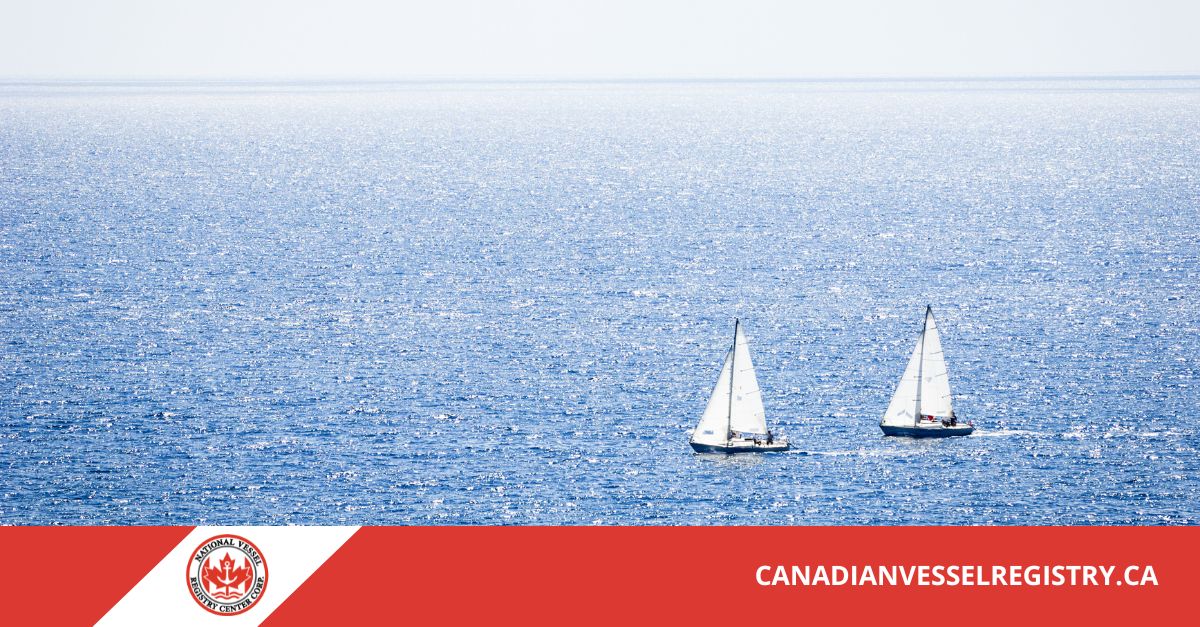
Many types of enjoyable activities fall within this category, so recreational boaters often participate in things such as:
- Fishing for household food
- Social boating
- Weekend trips
- Boating with children or pets
- Paddling or exploring waterways
- Water sports without commercial instruction
Boating culture is wide-ranging. Recreational boaters often move between activities depending on season, weather, or interest. These activities do not conflict with the pleasure craft definition unless a payment or business purpose is introduced.
How Our Service Makes Licensing Easier
Our online platform exists to make the process of applying for recreational licensing more convenient. We offer digital access to the forms so you can complete your licence application through a streamlined portal. Whether your boat is new, transferred, or requires updated details, you can access what you need online.
What we offer includes:
- Online forms for a pleasure craft licence
- Forms to replace or update a licence
- Forms to address lost or damaged licences
We make the forms accessible to help you submit them easily. Boaters use our platform because they want to avoid paper processes, long government wait times, and confusing navigation between different offices.
Pleasure Craft Use and Other Categories
There are other categories of boating activity in Canada that operate under different regulatory frameworks. These classifications exist to differentiate recreational activities from specialized functions.
Examples of other categories include:
- bareboat charters in Canada
- registration of a government boat
- small vessel register
- Canadian boat registration
Each category has a distinct purpose, and recreational boating stands apart as its own separate designation.
Where Boaters Go From Here
If your boat fits the pleasure craft definition and you want to operate within recreational, non-commercial parameters, then you may need a pleasure craft licence. We provide the forms online so you can handle this process on your own schedule.
Our system is available so you can access the applications that help you operate legally, safely, and without unnecessary delays.