
Transport Canada is tightening the enforcement of boat-safety and licensing requirements after recent concerns surfaced around unofficial tour-boats operating without proper certification. A report published June 23, 2025 by VOCM highlights this crackdown: vessels offering iceberg or whale-watching excursions — often privately operated and charging paying passengers — are under increased scrutiny. Our portal makes the Canadian boat registration and licencing processes easier.
What drove the crackdown
According to an article on VOCM:
- Many “tour boat operators … concerned with people taking tourists out in a boat for cash to view icebergs and whales.”
- The agency reminds boat owners, masters, crew and operators of their legal responsibilities whenever carrying passengers — especially when offering paid tours.
- For vessels carrying more than 12 passengers, a valid Transport Canada certificate must be displayed.
These developments reflect a broader commitment by Transport Canada to prevent the use of privately owned pleasure craft for commercial passenger transport — unless those craft have been certified under the proper regulatory framework.
What this means for boat owners and operators
When a boat is used to carry paying passengers, simple ownership or a pleasure-craft registration is not enough. The law requires compliance with safety regulations under Canada Shipping Act, 2001 and related regulations. Potential consequences of non-compliance include:
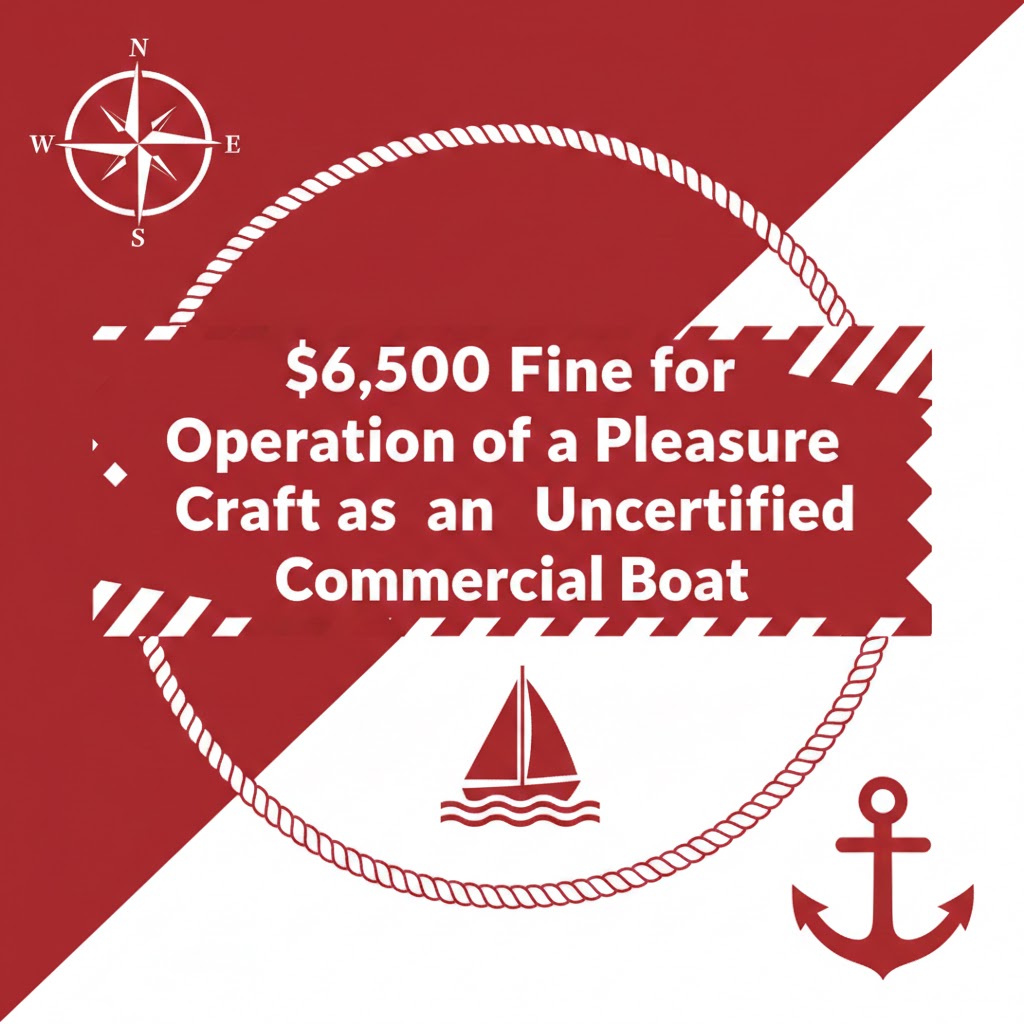
- Fines or administrative penalties — in past cases, penalties reached as high as $6,500 for illegal operation of a pleasure craft as an uncertified commercial tour boat.
- Seizure or detention of vessels that do not meet safety requirements (firefighting equipment, life jackets, fire detection, etc.) or lack proper certification.
- Risk to passengers due to insufficient safety measures, emergency procedures, or inadequate lifesaving and firefighting equipment.
Thus, the crackdown sends a strong message: offering paid boat tours without proper certification and adherence to safety standards is unacceptable and can lead to serious penalties.
What this means under marine transportation and small-boat licensing regimes
When dealing with marine transportation in Canada, not all boats are treated the same. There are distinct categories and regulations depending on usage, registration, and licensing.
- A boat registered under the small boat register used purely as a pleasure craft — meaning not carrying paying passengers — is subject to a different regulatory regime than a boat used commercially.
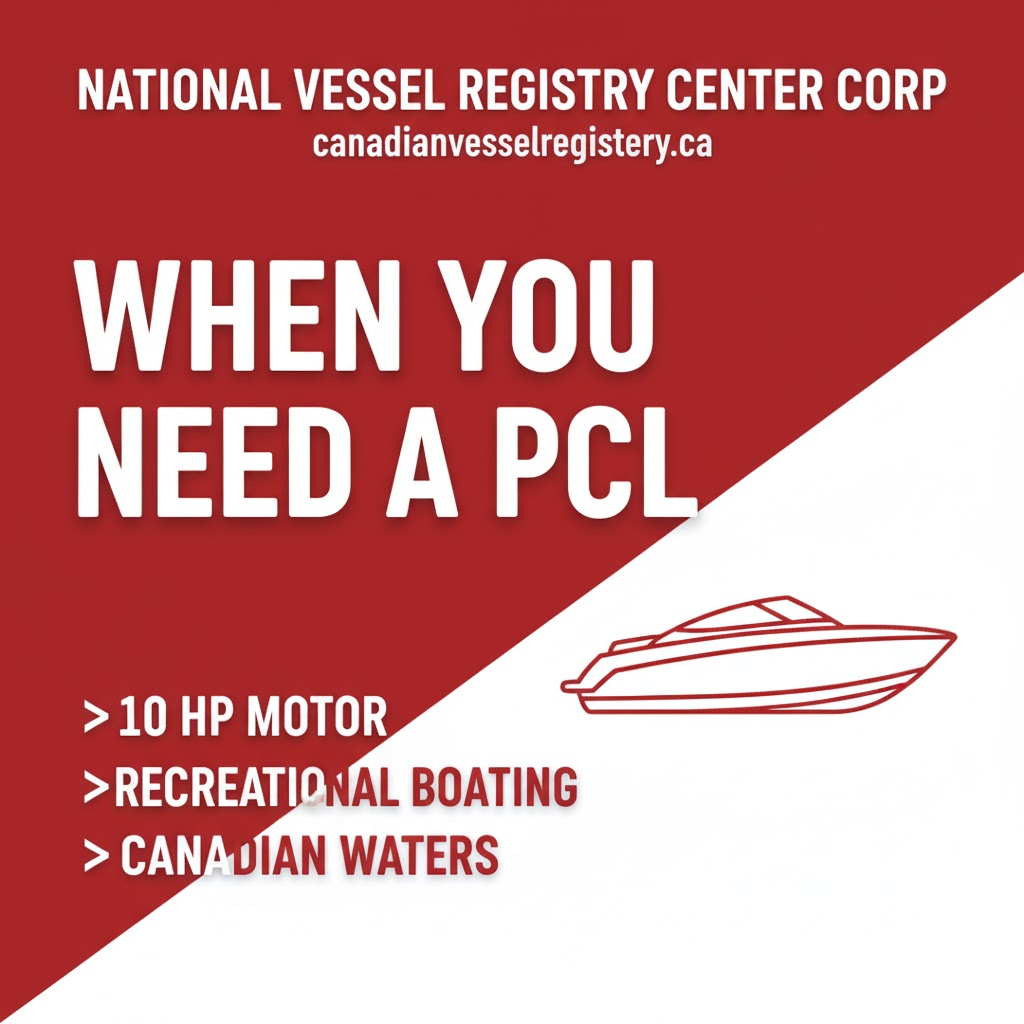
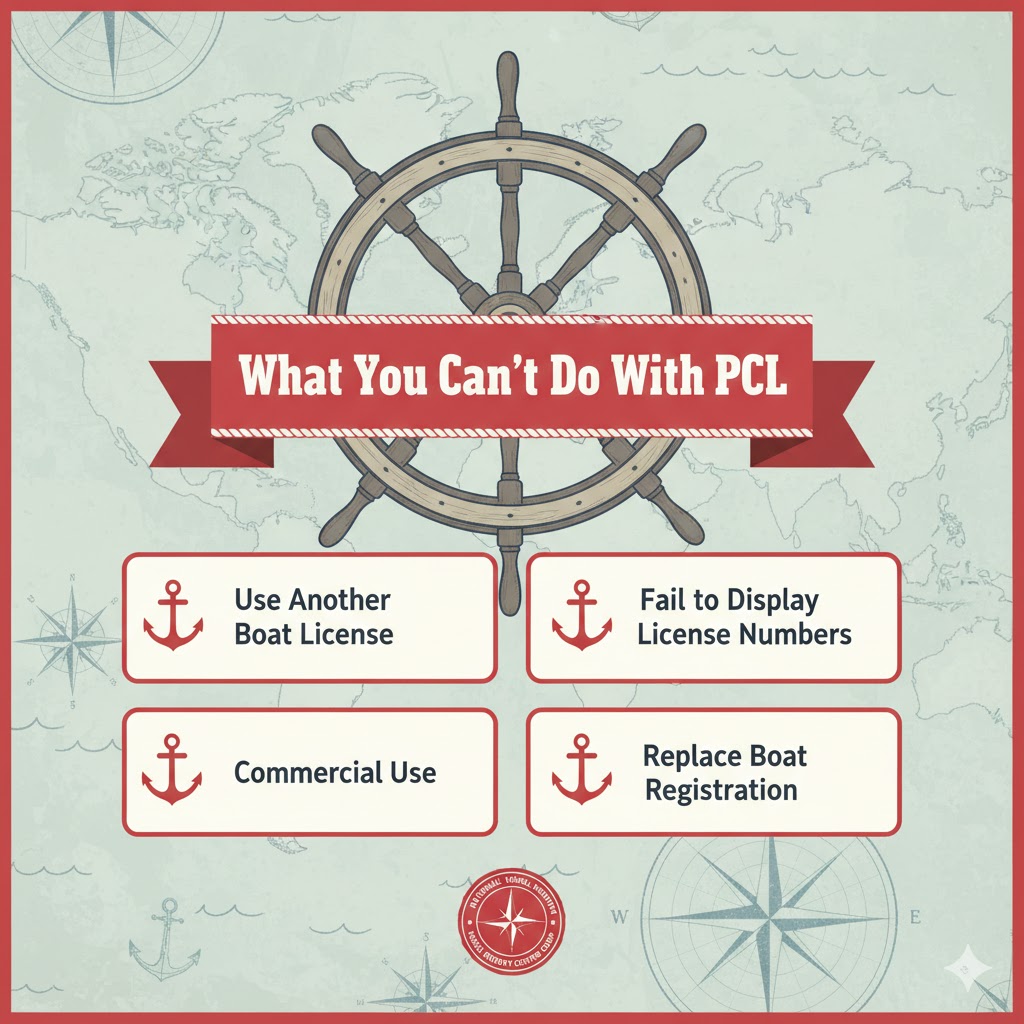
- A “pleasure craft licence” does not authorize commercial tourist activity. Attempting to operate tours without upgrading registration and obtaining certification violates the law.
- If a boat owner wishes to carry paying passengers, they must ensure the boat has the appropriate certification under Canada Shipping Act, 2001 (or other applicable regulations), and that safety equipment and crew qualifications meet the required standards. This applies whether the boat is new, has undergone the process of procuring replacement boat registration, or is a boat changing hands.
For those who properly register their boat under whichever regime applies, the regulatory burden remains: safety compliance, displaying required certificates, and ensuring the boat meets inspection and equipment standards.
Relevance for clients using our portal
At National Vessel Registry Center Corp., we offer access to forms that help with:
- registration of a government boat
- replacement boat registration
- enrolment in the small-boat register
- applying for a pleasure craft licence
Because these registrations and licences form the legal foundation for boat ownership and use, they play a key role when a boat’s intended use changes — for example, from private recreational use to commercial tours.
Our service enables clients to submit correct registration or licence applications depending on their needs. But boat owners must also ensure compliance with regulatory requirements beyond documentation: appropriate safety gear, crew certification, and, when carrying passengers commercially, proper certification under the law.
Broader regulatory context and recent enforcement efforts
Recent actions by Transport Canada and associated bodies demonstrate a stronger enforcement posture:
- In 2024, Transport Canada announced intensified oversight after uncovering a growing trend of pleasure-craft operators offering paid tours without complying with commercial-passenger regulations. Among other steps, they seized a vessel that lacked required firefighting and lifesaving equipment or certification.
- In 2025, the agency has initiated a “2025 Passenger vessel concentrated inspection campaign,” focusing on certified passenger vessels to ensure compliance with safety standards — including safety briefings, evacuation procedures, and maintenance of lifesaving and firefighting equipment.
These efforts aim to reinforce public safety, reduce risks associated with unregulated tours, and ensure all passenger-carrying boats meet necessary regulations under Canadian maritime laws.
What boat owners and operators should do
If you own or intend to operate a boat that carries more than just yourself and family or friends, especially for commercial tours, consider the following:
- Verify whether your current registration (small-boat register or pleasure craft licence) authorizes commercial passenger transport — most likely, it does not.
- If intending to carry paying passengers, ensure you have proper certification under the Canada Shipping Act, 2001 and related regulations.
- Display all required certificates and safety decals as mandated by law.
- Maintain all required safety gear: lifejackets, firefighting equipment, fire detection/protection systems, emergency procedures, crew competency, etc.
- Before marketing any tours, confirm you meet all applicable regulations to avoid fines, vessel seizure, or liability.
How our portal supports you
When you use National Vessel Registry Center Corp. to submit the necessary forms, you get:
- access to registration or licensing applications
- a streamlined process to ensure you have legally recognized documentation for your boat’s intended use
- flexibility — if you decide to change how your boat is used (private recreation vs commercial use), you can re-evaluate your registration/licence choice
As regulators like Transport Canada increase enforcement, having accurate and up-to-date registration or licensing is more important than ever. Through our portal, you can ensure that you’re starting on the right foot — with documentation that reflects your boat’s use and compliance with Canadian laws.
Clients who aim to operate tours or carry passengers for remuneration should treat registration/licencing as just the first step. Certification, safety compliance, and ongoing regulatory adherence are equally essential.
With regulatory pressure rising, we stand ready to help you navigate the paperwork side — so you can focus on safe and lawful enjoyment of the waterways.